
Creative Writing Links
Follow along with me as I complete my MFA in Creative Writing. Here, you’ll find links to all of the public resources we’ve used.

Photo by Maria Lysenko on Unsplash
An MFA in Creative Writing can accelerate your development as a writer. It forces you to read with intention, write under pressure, and take feedback from people who won't let you off easy, but it isn't a prerequisite for writing well, and it never has been.
Plenty of the best fiction ever written came from people who never sat in a workshop. What you'll find below is every publicly available resource my program has assigned so far, collected in one place and organized by term. A reading list won't make you a writer any more than a library card will, but good resources, used deliberately, are part of the work. Consider this a starting point, not a shortcut.
I’ll add to it as I progress through the program.
First Term
Never Say You Can’t Survive: Imposter Syndrome Is Just Part of Being a Writer
Ultimate Guide: How To Navigate Genres and Subgenres Like A Pro
How to Apply Writing Feedback (And How to Know What You Can Ignore)
Writing Mistakes Writers Make: Not Accepting Feedback on Your Writing
How to Read Like a Writer: The Best Writers Are Readers First
25 Essential Notes on Craft from Matthew Salesses: Rethinking Popular Assumptions of Fiction Writing
Second Term
Hook the Reader and Hold Them: Why More Writers Should Study the Lessons of YA
2025 YA Trends: Bouncing Between the Dark and Light
Why YA? Authors Talk About the Joys and Challenges of Writing for Teens
The “Why” of YA: Why Read It, Why Write It—and Why It Gets Challenged
The Vital Difference Between Plot and Story—and Why You Need Both
Most Historical Romance Novels Feature White Characters. But Authors Are Bringing Color to the Genre
The Ultimate List of Book Genres: 35 Popular Genres, Explained
Understanding Our World: Speculative Fiction Through the Ages
The Art of Crafting Memorable Fictional Characters: An Essential Guide for Writers and Authors
Creating Proactive, Relatable, and Capable Characters: Brandon Sanderson’s Writing Lecture #5 (2025)
Character Development: How to Create Fan-Favorite Characters in 5 Steps
14 Popular Fantasy Tropes — And How to Make Them Feel New Again
Growing Your Iceberg: Crafting a Secondary World That Feels Ancient in 60 Minutes (or less)
16 Ways to Plot a Book: From Circles and Snowflakes to Pyramids and Point Graphs
How to Create Suspense in Your Writing (in 5 Thrilling Steps)
How to Start Writing Fiction: The Six Core Elements of Fiction Writing
The Differences Between a Crime, Mystery, and Thriller Novel
What Is a Psychological Thriller?
What Is Historical Fiction? Short History, Its Components and More
Give Your Women’s Fiction a Glow Up
What Is LGBTQ+ Fiction—And Does a Writer Have to Be Queer to Write It?
How to Avoid Overcorrecting After Receiving Feedback
How to Develop a Writing Habit: 15 Tips for Consistent Writing
Calls for Submissions
Writing Contests, Grants and Awards
Manuscript Wish List
Duotrope
Submittable
FundsforWriters
Third Term
Storyboarding for Writers: How Sketching Can Strengthen Your Picture Book or Graphic Novel!
Racial and Ethnic Justice in the Creative Writing Course - Workshop
The 4 Basic Types of Character Arcs (With Examples and Variations)
Building a Character Arc: Start at the End opens in new window
Plot Development: Charts and Tips for Outlining and Plotting a Novel
What Is the Inciting Incident? Definition, Purpose, Examples, Tips
25 Things To Know About Writing The First Chapter Of Your Novel
Your Novel’s First Scene: How to Start Right
Place is Not a Character—It is Its Own Story
7 Novel-Opening Mistakes That Make Literary Agents (And Readers) Groan
How to Create an Elevator Pitch: Novel Pitches That Sell
5 Steps to Writing a Killer Elevator Pitch for Your Book
The Greatest Literary Alliance of All Time: You, the Author, and the Character
Third Person Limited: A Personal and Engaging POV
Third Person Omniscient: Bird's Eye View Narratives
Opening Scenes: An Overview
How to Pitch Your Novel to Agents
Fourth Term
Structuring Your Story’s Scenes, Pt.2: The Three Building Blocks of the Scene
How to Edit a Book: 7 Steps for Becoming a Ferocious Self-Editor
A Survivor’s Guide to the Long, Slow, Infuriating Process of Revision
5 Tips to Write a Good Subplot That Every Writer Needs to Know
Three Strategies for Creating Progressively Escalating Complications
Character Flaws—The Traits You Totally Don’t See in Yourself
A Survivor’s Guide to the Long, Slow, Infuriating Process of Revision
8 Ways to Troubleshoot a Scene–and 5 Ways to Make It Fabulous
How Jean Hanff Korelitz Learned to Create Tension and Suspense on the Page - Video
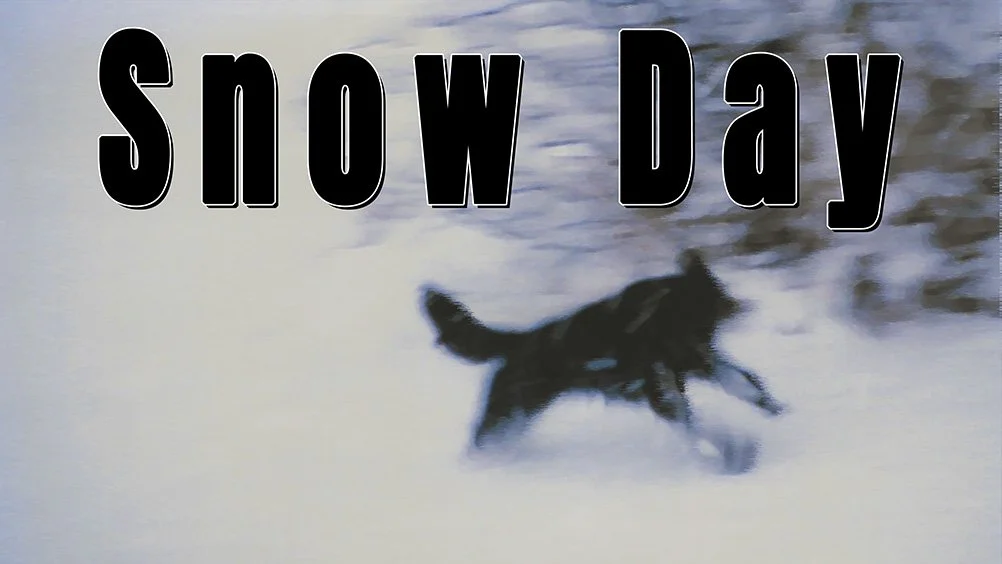
Snow Day with Bark
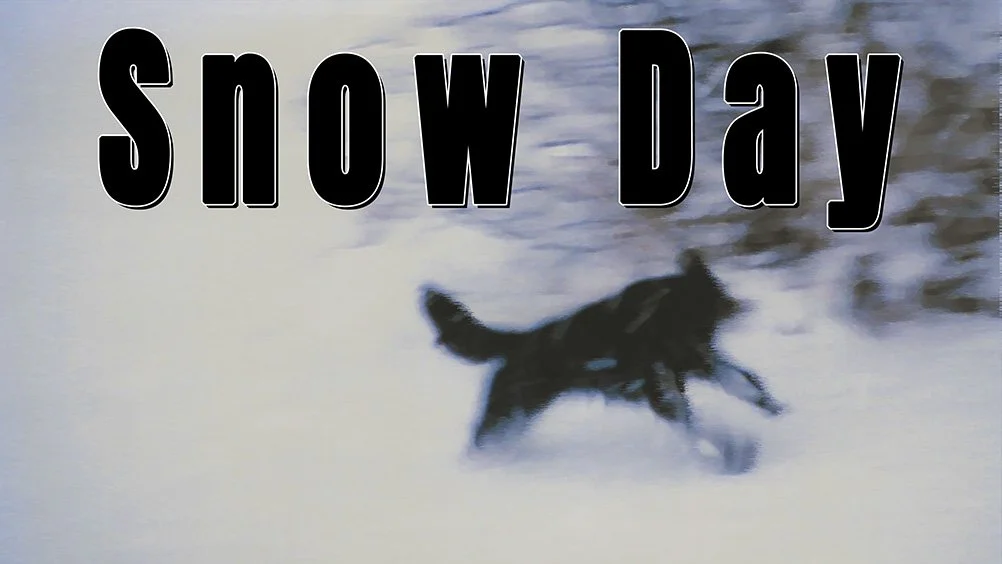
In late February 2005, my beloved Bark took her final sleep. This month of the year is still, and probably always will be, a month of grief for me, even after all these years. That’s how good a dog she was.
There’s a line in the old song Mr. Bojangles that goes:
“His dog up and died
He up and died
After twenty years he still grieves”
Well, that line always got to me, and at 21 years now, I guess I’ve got ol’ Mr. Bojangles beat.
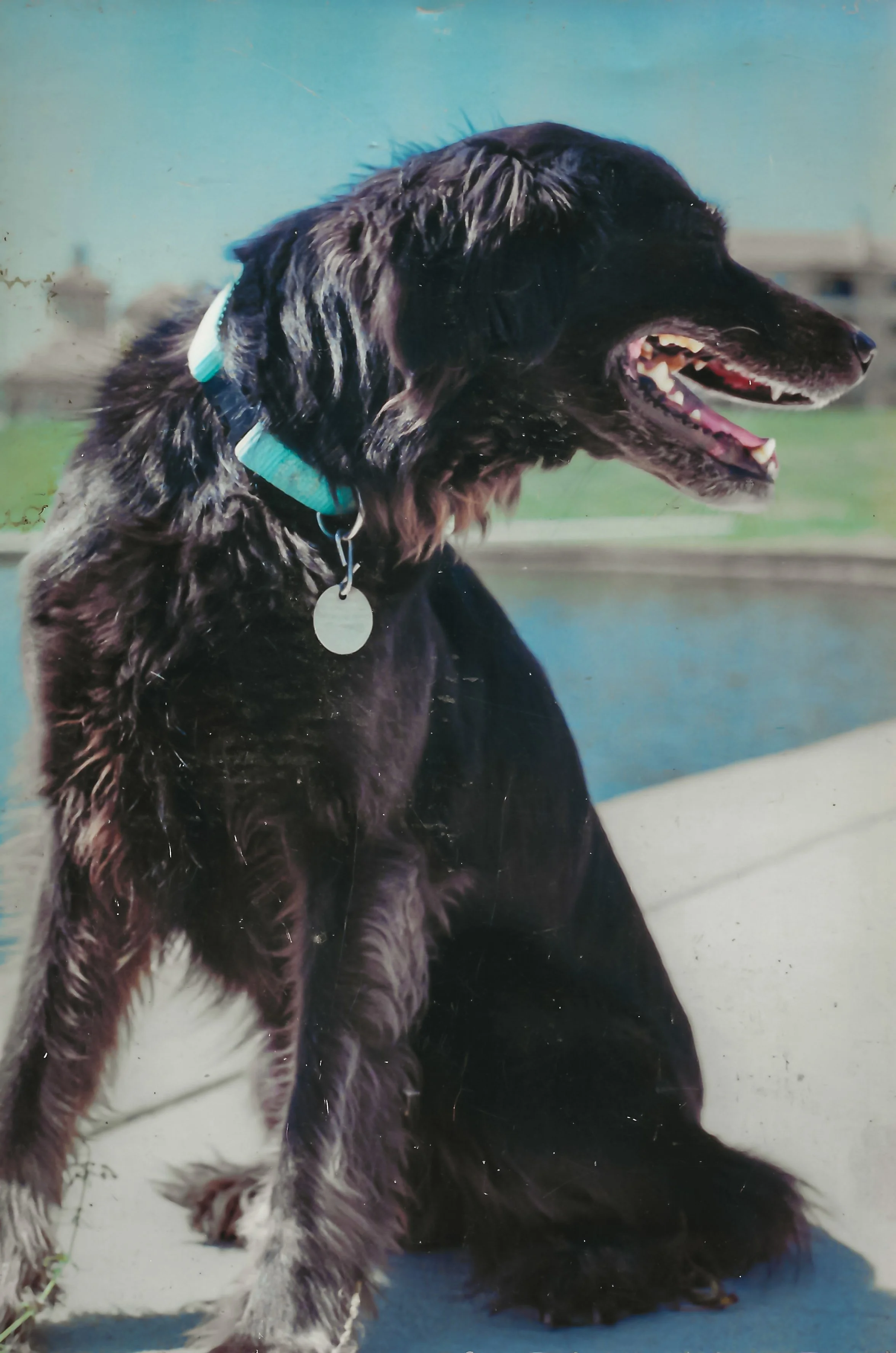
Bark, 2005
After several months of deteriorating health, her last two weeks had seen her in a quick downward slide, and I did what I had to do. But this isn’t a story about that.
Back in the summer of ‘91, my then-wife and I chose Bark before we even saw her. We went to the animal shelter in Columbia, SC, ready to adopt the ugliest dog on its last day. That turned out to be Bark. We ended up making a fantastic choice. From that day, Bark was my constant companion, traveling from South Carolina to Alaska, California to Kansas City, and back to California. She has witnessed the arrival of our two wonderful sons and has been there for the incredible and sad moments in our lives. I hoped she would stay with me longer, but that wasn’t to be.
She and I have trekked many miles together across Alaska’s most stunning landscapes. Additionally, she has helped me make friends with strangers at the many street-side cafes in the cities where we have lived or visited.
I have countless stories about Bark, but my absolute favorite is about a hike she and I took in Alaska.
Just outside Anchorage lies a small recreation area known as Arctic Valley. In the fall of ‘93, shortly after the first significant snowfall, we set out from the parking area and hiked along the mountain’s ridge line. The leeward side of the hill was almost devoid of snow, while the windward side had thick drifts of white piled high. After a long and challenging climb to the top of the hill, Bark and I took a moment to admire the view. Actually, I admired the view while Bark tried to catch marmots. As the sun began to set, its rays turned pink and orange, casting a warm glow over the snowy peaks of the surrounding mountains and making the snow seem on fire.
Much like ground squirrels, marmots keep sentries on watch while the other marmots forage, play, or do whatever marmots do. Their shrill alarm cry resembles that of a bosun’s whistle. While I sat, Bark worked on her marmot mission. As soon as she spotted one, she would take off after it. Being significantly smarter than Bark, the marmots would let themselves be chased only when they chose to. One would set itself up to be chased by whistling its sharp cry while the others fled to safety. As soon as Bark got within twenty feet, the marmot would slip into its burrow, completely safe. Bark would peer down the hole, likely thinking she had come oh-so-close to catching this one. Within minutes, she would scan the horizon, searching for the next target. She would bound after the next one she saw, regardless of how far away it was. Naturally, the next one would escape as well. Bark had such boundless energy that this would go on until I grew tired of watching her. After my break, we continued.
The area we were in was part of a ski resort as well. Along the ridge we were on were the tops of the ski lifts, each with a small cabin. Since it was late, returning the way we came would mean arriving back at the car well after dark, so I was searching for an alternate route. The solution came from one of the small cabins in the form of a snow shovel. From where we were, it was about a 1,500-ft descent to the lower trail, which had several feet of snow on the hillside. I rode every inch of it on the pan of the shovel, with the handle sticking out in front of me. What about Bark?
This was perhaps Bark’s most remarkable feat and certainly my favorite vision of her. As I descended the hill, Bark attempted to run alongside me. The snow made that impossible. Instead, she bounded downhill in great strides. With each leap, she had to jump up and out of the hole she was in, clear several feet of snow, and land in the next patch of powder, creating another hole she would have to escape. All the while, she was trying to keep up with me, driven by her instinct and excitement, and maybe a little fear of being left behind.
Imagine the sight! As I raced down on the shovel, I glanced back and saw this shaggy black beast bounding again and again. Her ears flew up as she reached the peak of her leap, and they flopped down again upon hitting the ground. Her eyes were fixed ahead, and her black whip of a tail was straight behind her like a rudder.
That is how I still remember Bark. That memory, that vision, is etched in my brain.
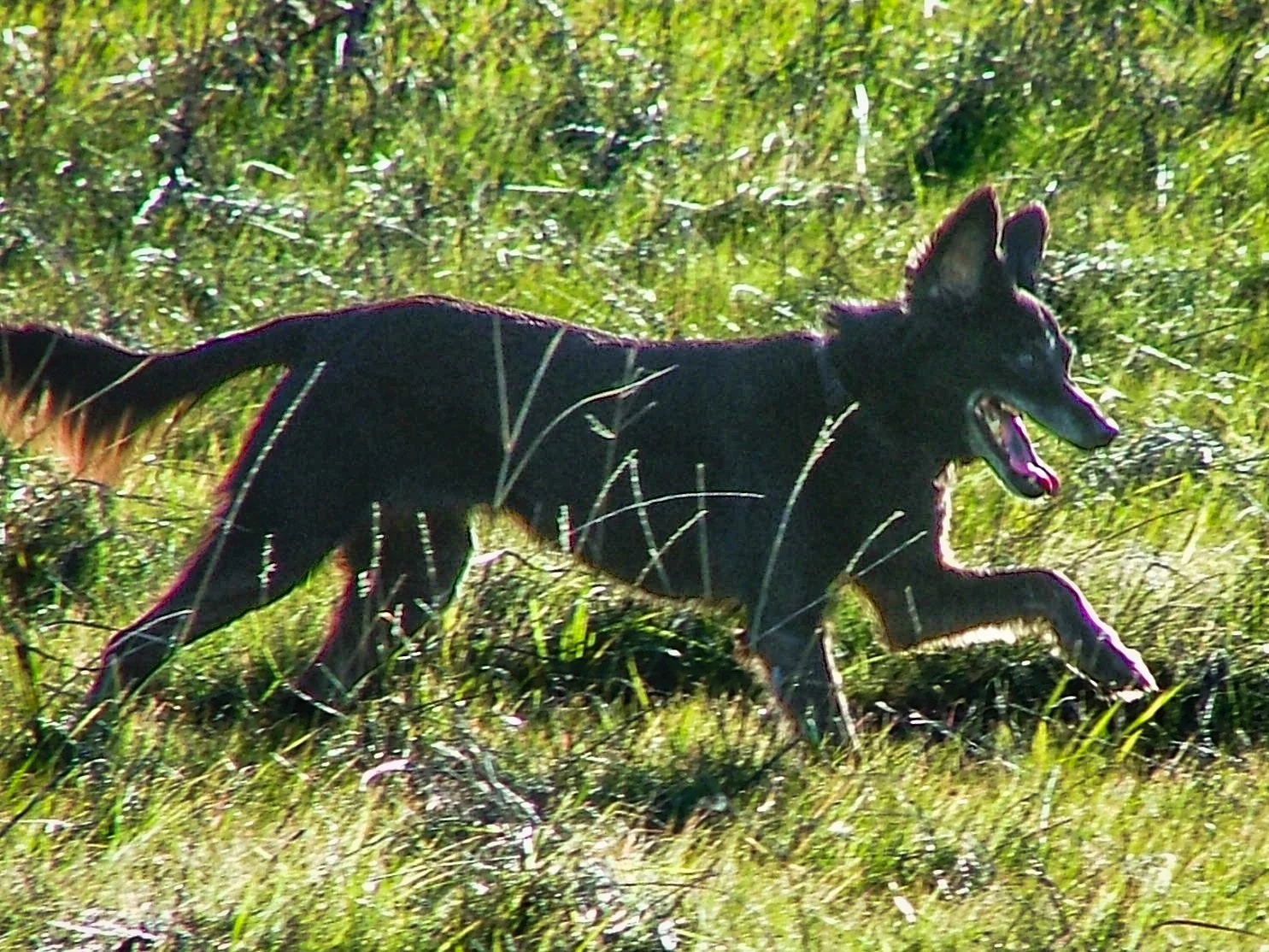
Best dog ever!
Where she was the best dog ever, I can’t say I was the best owner that I could have been. I see times when I spent too much time away or didn’t give her the time and attention she needed. I could say that I was busy with my own life, raising kids, going through life, divorce, relationships, and moves, but I know that I could have given her more, and that knowledge pains me to this day. Another thing I know is that every dog in my life since her has been the recipient of the lessons I learned from her. Zoe, Enzo, Monte, Oliver, Buddy the Chug, Halley, and Zoe have all benefited from Bark and her unending love and loyalty towards me. I’ve tried to return it to all the dogs, and even a few of the cats, whose paths I’ve crossed.
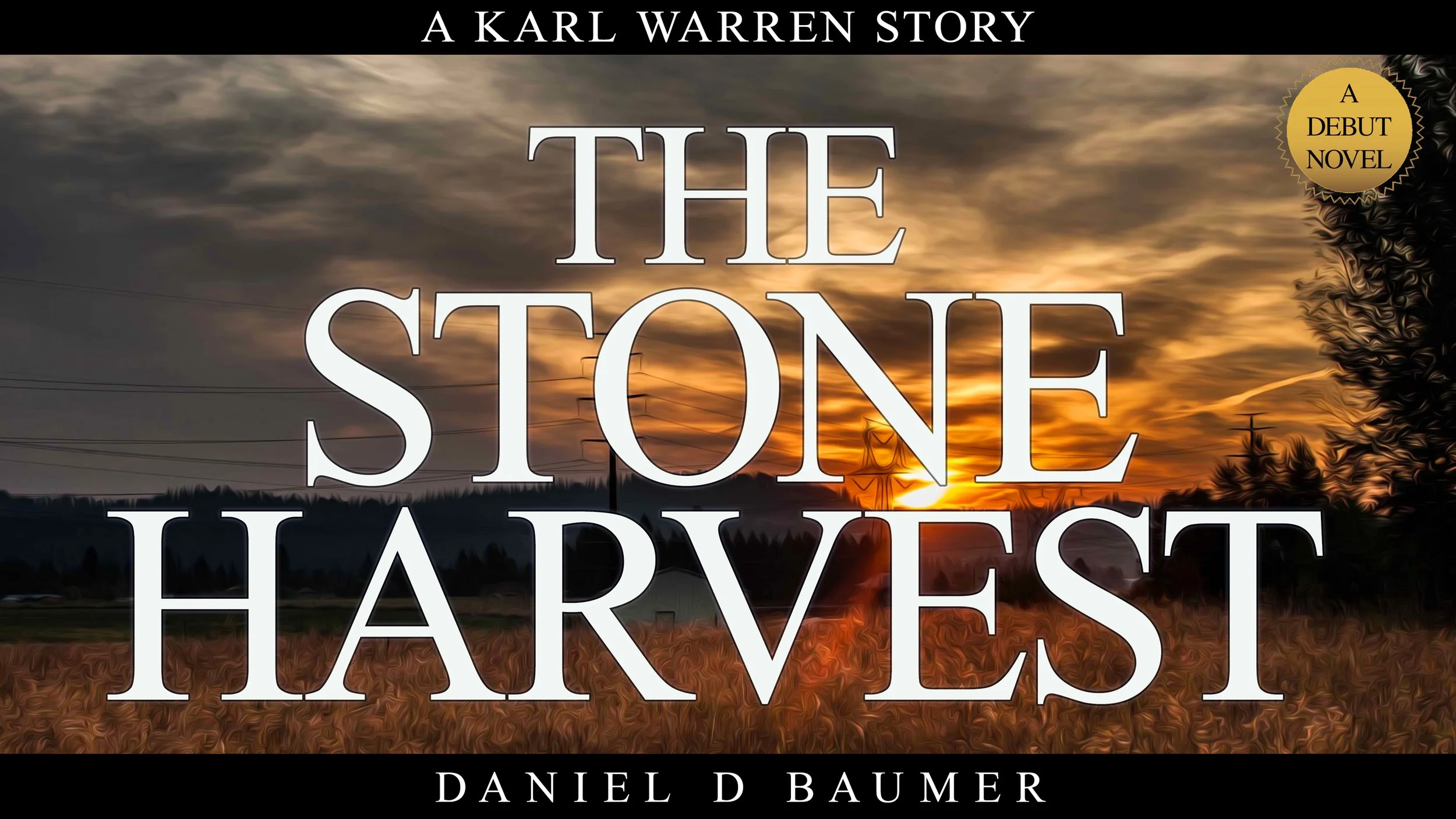
The Stone Harvest - Chapter 1
The opening chapter of my debut novel, The Stone Harvest.
Spring 2019 - Tuesday
The stones came up every year. They crept through the soil bit by bit with the annual frost heaves as the earth chilled and thawed. Oval stones that cost $200 per ton elsewhere would litter the land if left alone. This field had sat fallow long enough. Last year, my first on the property, I paid a neighbor to disc up the field and broadcast a native grass-and-seed mix: fescue and wildflowers. Ignored for several years, the twenty-acre patch had turned to non-native grasses, knapweed, vetch, tansy, and oxeye daisy. For nearly twenty years, no cattle had grazed, nor had anyone mowed or burned or sprayed. Nothing. It was perfect for the five-year project I had in mind.
The land was dead flat, a triangle whose eastern side ran northeast along what had once been a railroad line. Bordered by Wyoming Avenue to the south and with neighboring hay fields to the west, it had a drainage ditch between the two that was filled with the fruits of previous stone harvests. The field itself would still need a few more years to recover, but some carefully managed goat grazing, when I eventually get them, and harrowing should bring it back to its native condition. I had no desire to use the land for hay. Instead, I wanted to create a wild oasis, my very own piece of somewhat controlled order in this world filled with so much uncontrolled chaos.
For the second time in as many springs, I rode an old tractor over every square inch of the field, dragging a harrow rake. The previous owner's family left the equipment behind when they abandoned the property, and I was more than happy to put it to good use. Harrowing knocked down any furrows caused by the discs, filled any low spots, and gave the seeds a good covering of earth in which to take root. It also taught me how many stones there were in this field. On many other properties nearby, I had seen huge piles and long rows of stones dumped after someone had harvested them. A farmer would work the soil, then send a son or daughter out with a pickup or four-wheeler and a trailer to collect them. The rock harvest would take longer than any other aspect of the farming cycle. Nothing was growing yet, and the kids needed a chore to keep them out of trouble. Hence, this part of the country had lots of fields with four-foot-tall stone walls bordering them.
It was during this, my second season of stone harvesting, that the problems began. The year before, I had noticed an unusually large collection of stones, or rather, so many in one tight place. It didn't seem like the rest of the field, but I didn't give it too much thought. There were plenty of stones to deal with, so there was no use getting worked up over these few. This year, the same problem in the same area. The harrow grabbed enough of the buried nuggets that it dislodged the others, exposing ten or twelve to the gray sky. It was unusual enough to get on my radar, but not enough to alter my plans.
I didn't return to that spot for two days. Harvesting from other parts of the field, I already had an impressive collection for the stone wall I hoped to build. By the time I returned, sure enough, the rocks hadn't moved on their own like I had wanted them to. One by one, they went into the back of my new-to-me farm truck.
BAM!
BAM!
The low clouds and the closeness of the mountains made the din of granite on metal echo loudly — a rich, satisfying tone. The effort of moving the stones left me with a modest sweat, but the chilling breeze worked just as hard to cool me back down. As I cleared the first few stones, I could see several more an inch or two below the surface. Might as well, I thought. There was no way this project would be easy, so I kept plugging along. By about the twentieth stone, I ignored a growing suspicion that the rocks were in an unnaturally neat, elongated shape.
"Nope. Perfectly natural." I half-whispered to no one in particular. It was the thirty-seventh rock that did the trick. Nothing special about it. Mostly gray, a few black specks, and two white ribbons going through the center. Its uniqueness lay beneath it. I saw the cuff of a sleeve, remnants of what was probably a gray hoodie or sweater. And with it, a small, desiccated hand.
Though not a surprise, I had to take a step back to collect my thoughts. It's not every day that you find a dead body. Rarer still to find an old one buried on your property, property you bought and moved to for the direct purpose of not finding dead bodies anymore. Despite the apparent age of the body and its long-term exposure to the elements, it still had traces of that smell, that goddamn smell of death and decay. I said to the world my first clear words of the day, "Well … fuck!"
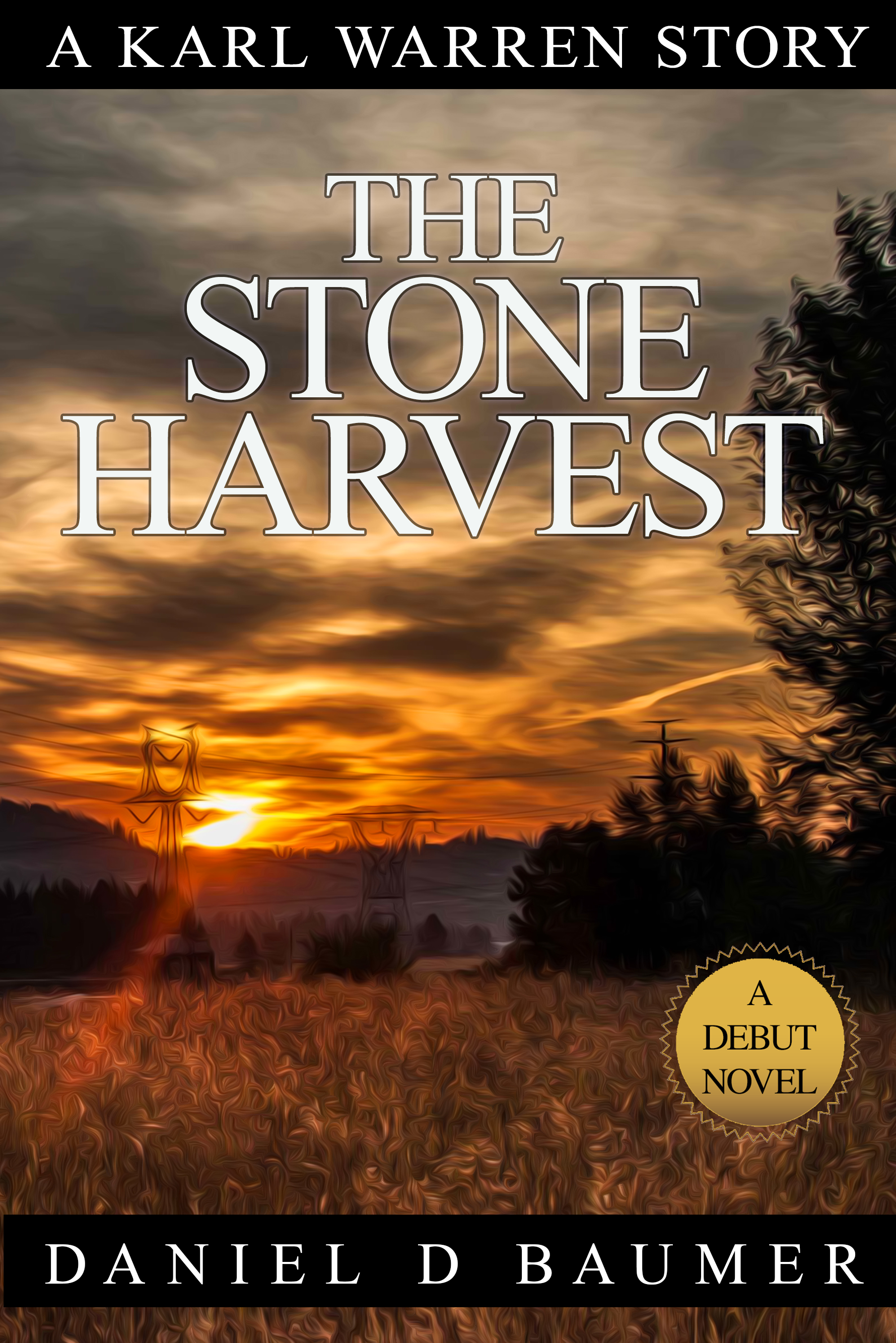
Karl Warren came to small-town Idaho to escape the big-city police force, to be free of the ghosts of his past. He wanted chickens instead of a life full of death, sin, and human misery.
Instead, he uncovers the dirt and ugliness of his new paradise. While sifting through a growing pile of dead bodies, Warren discovers the town has more evil hiding.
As the pieces slowly fall into place, Warren realizes he may need skills from his past if he wants to survive. Westwood's web of dangerous secrets and deception requires unraveling.
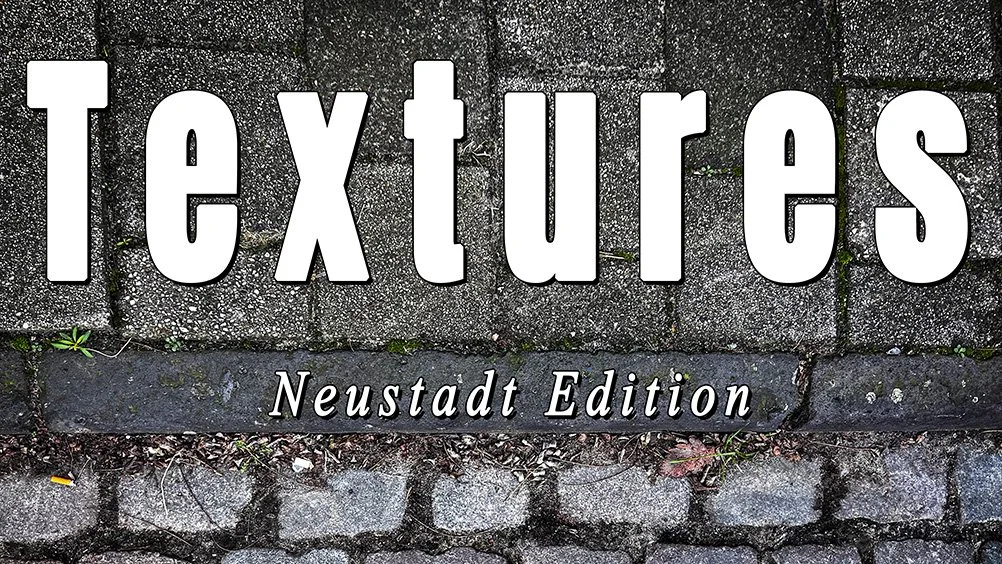
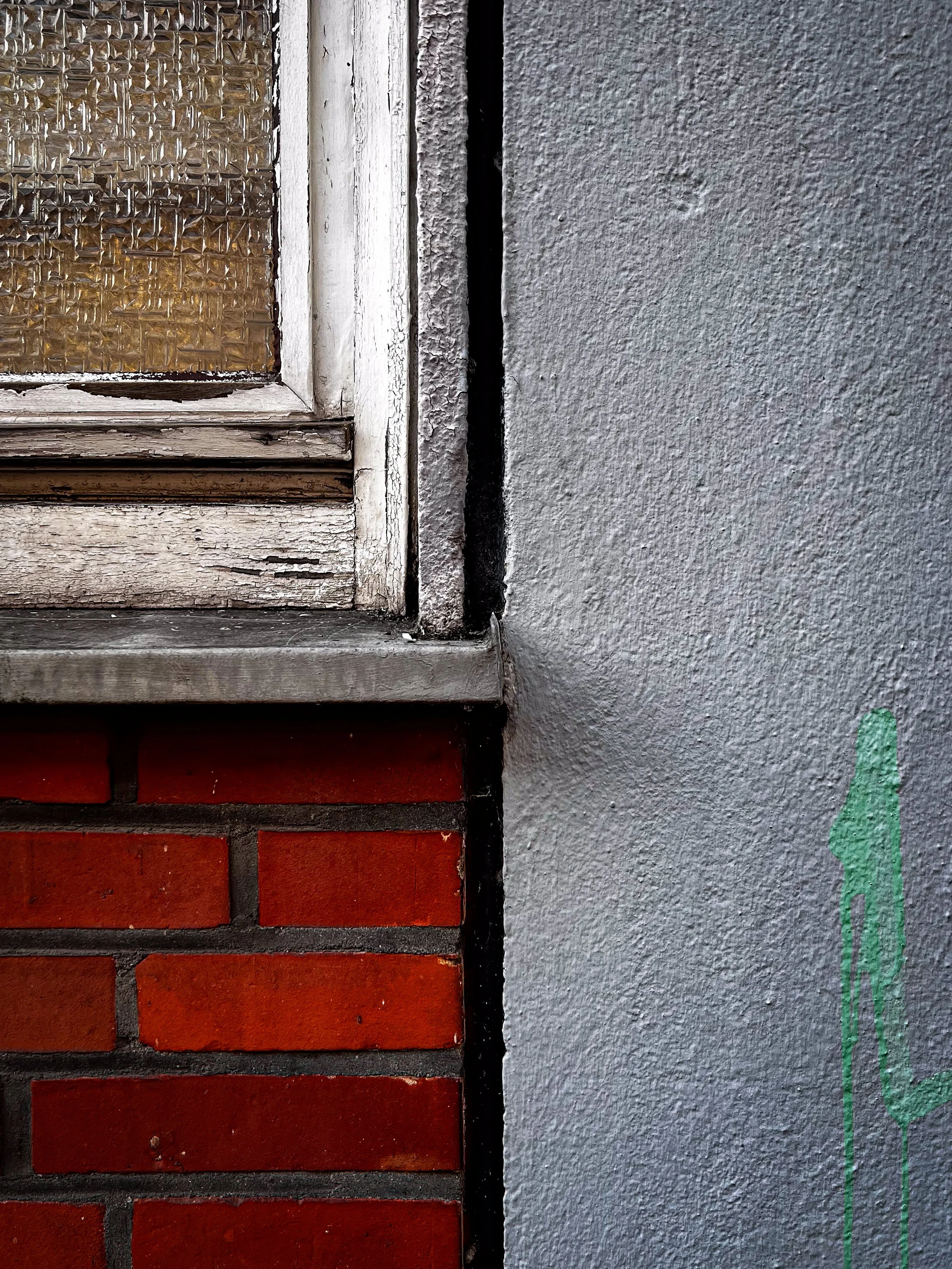
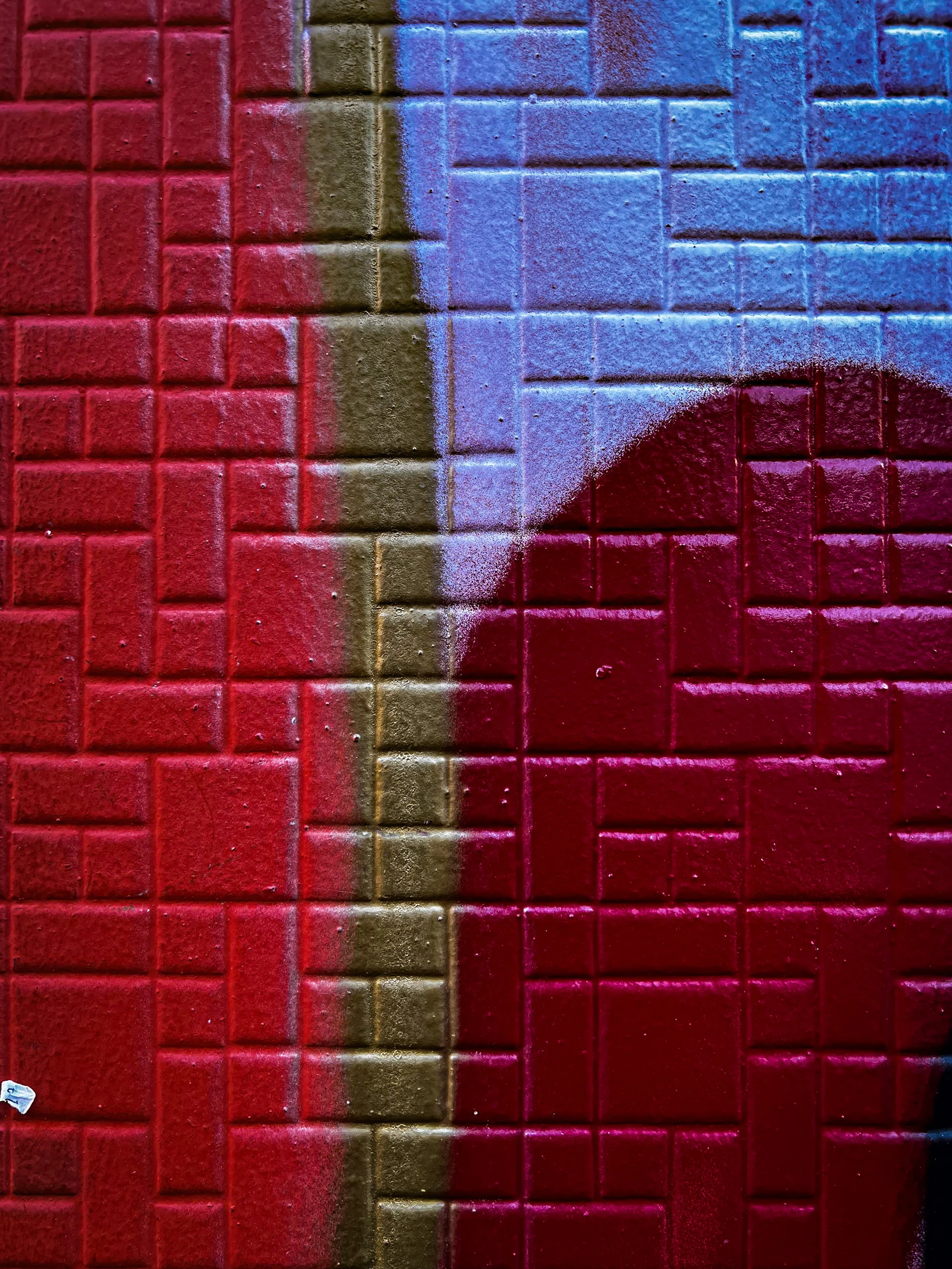
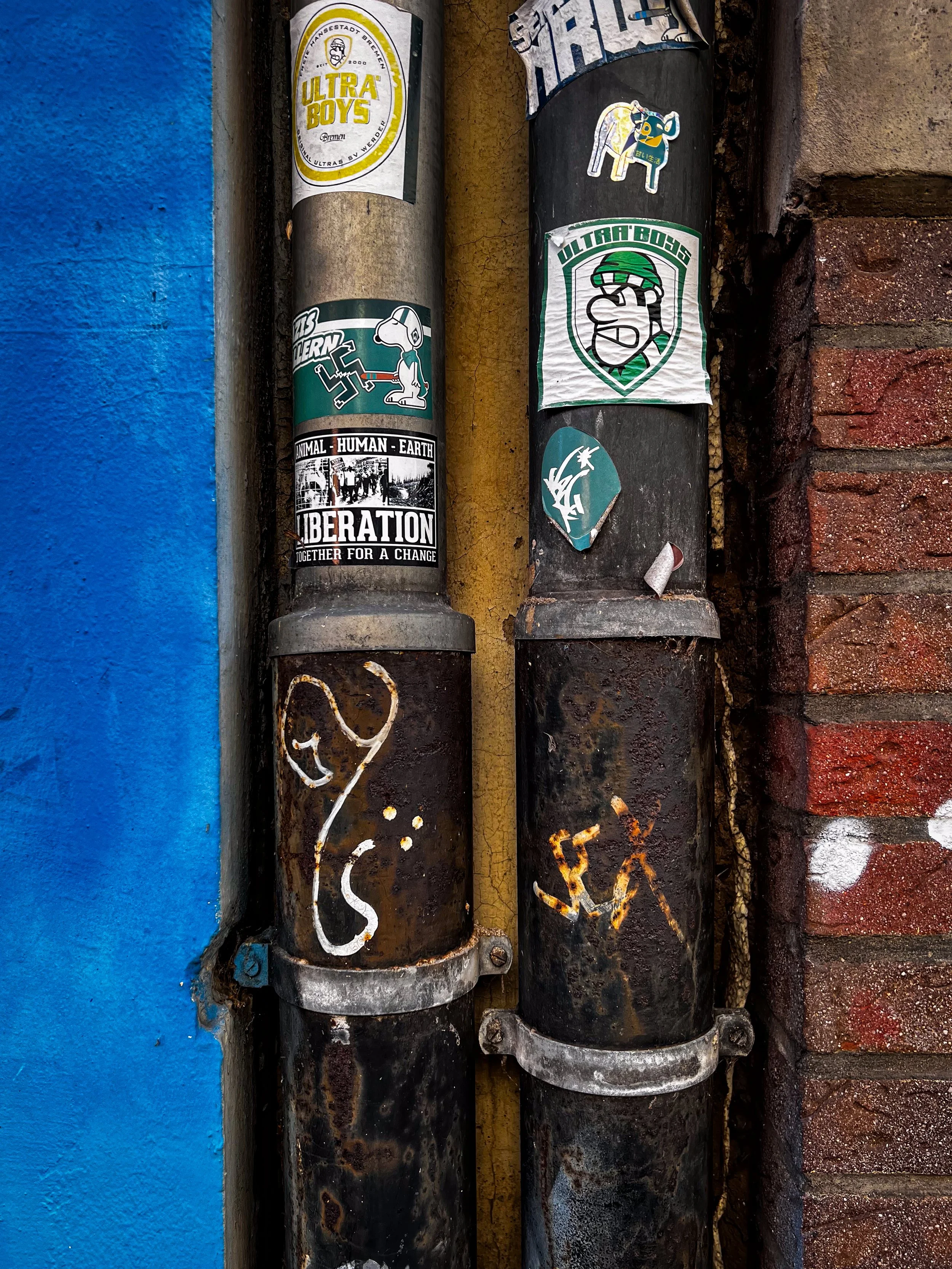
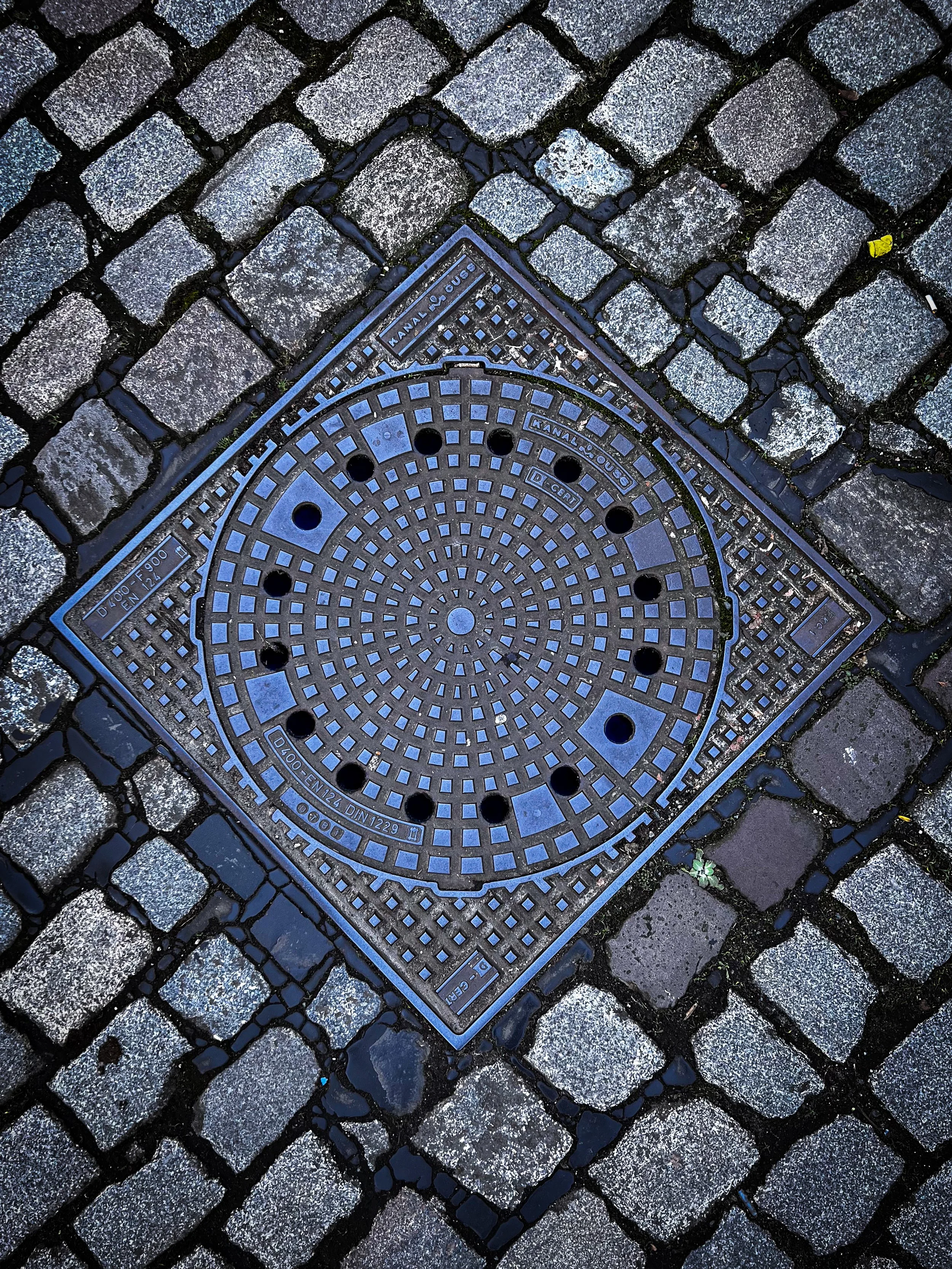
Textures of Neustadt
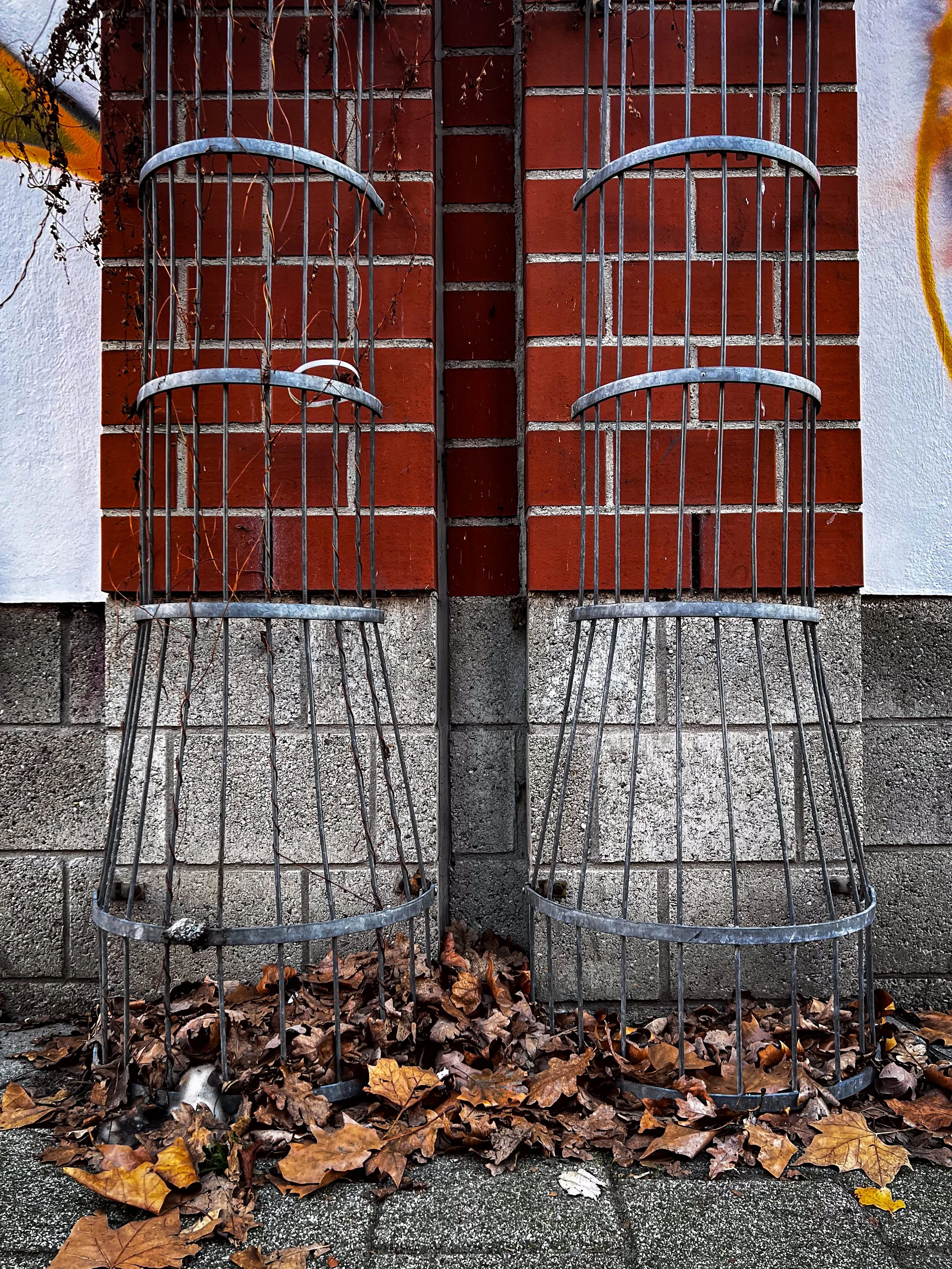
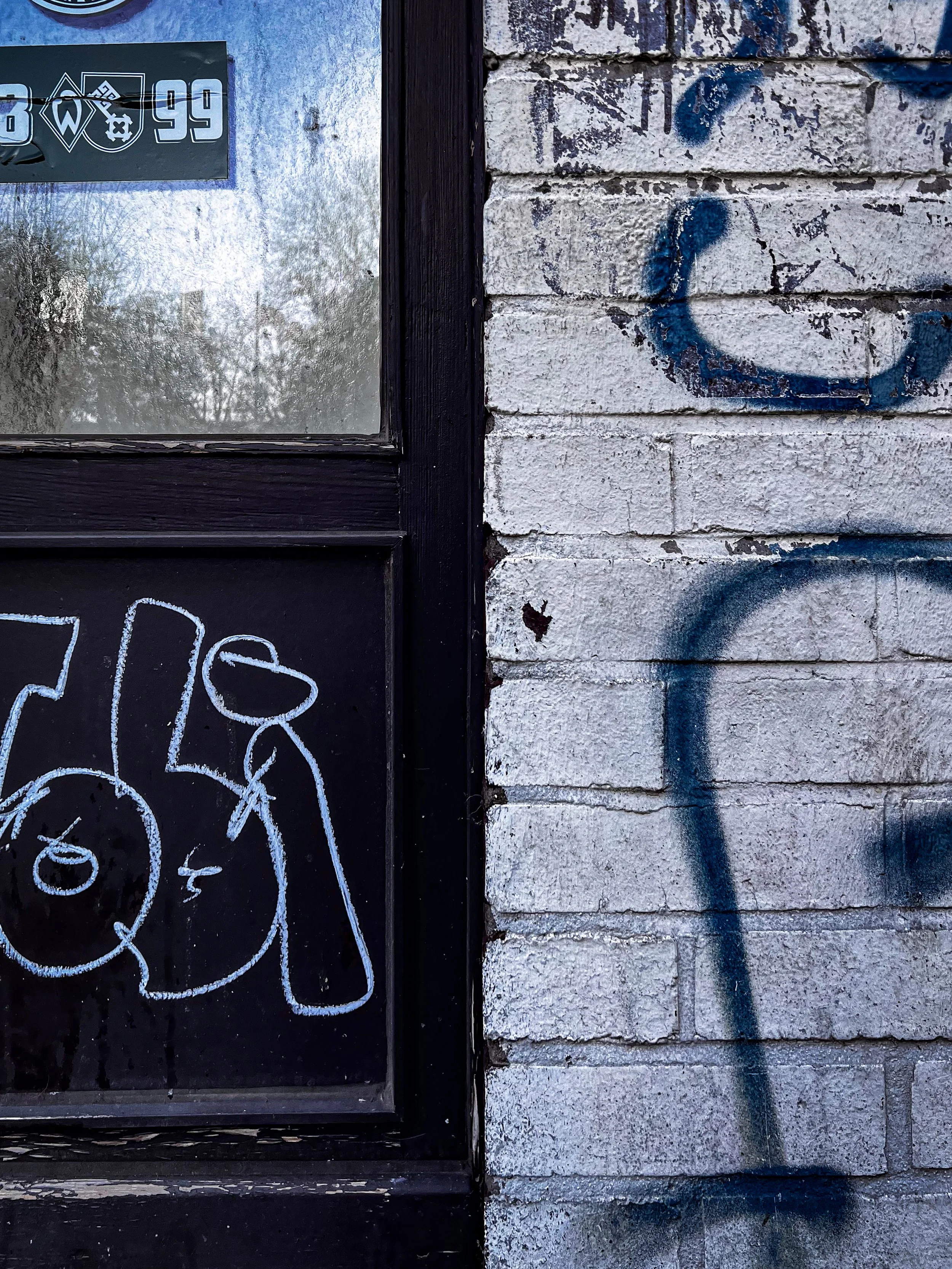
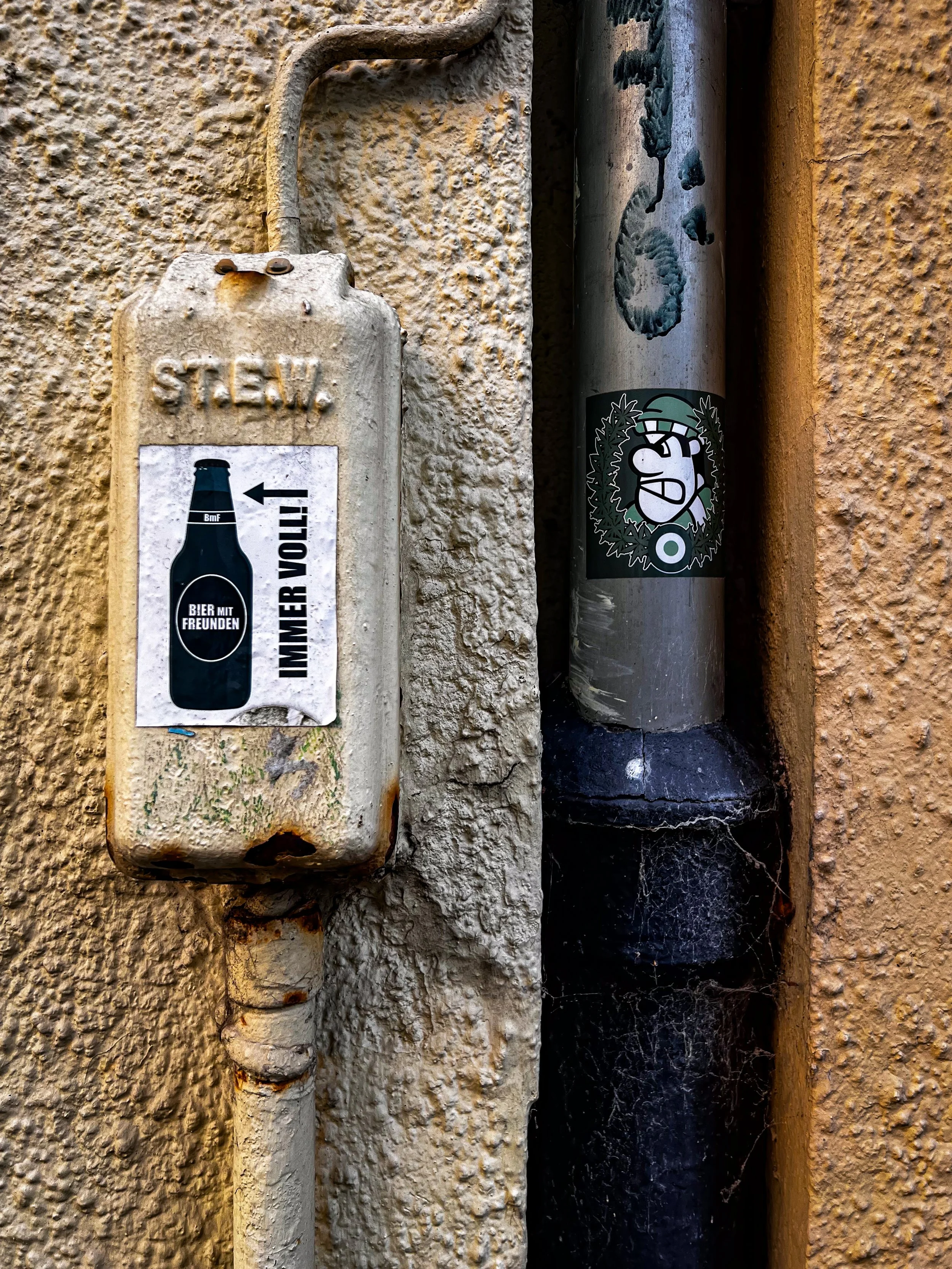
When you walk through Neustadt, the neighborhood in Bremen where I live, it’s easy to focus on the streets, façades, and storefronts. They appear as complete scenes. The historic buildings catch your eye right away. But the neighborhood truly comes alive up close. It shows itself in the walls, corners, and surfaces that bear signs of age. The textures here aren’t just decoration. They are what quietly hold the place together.
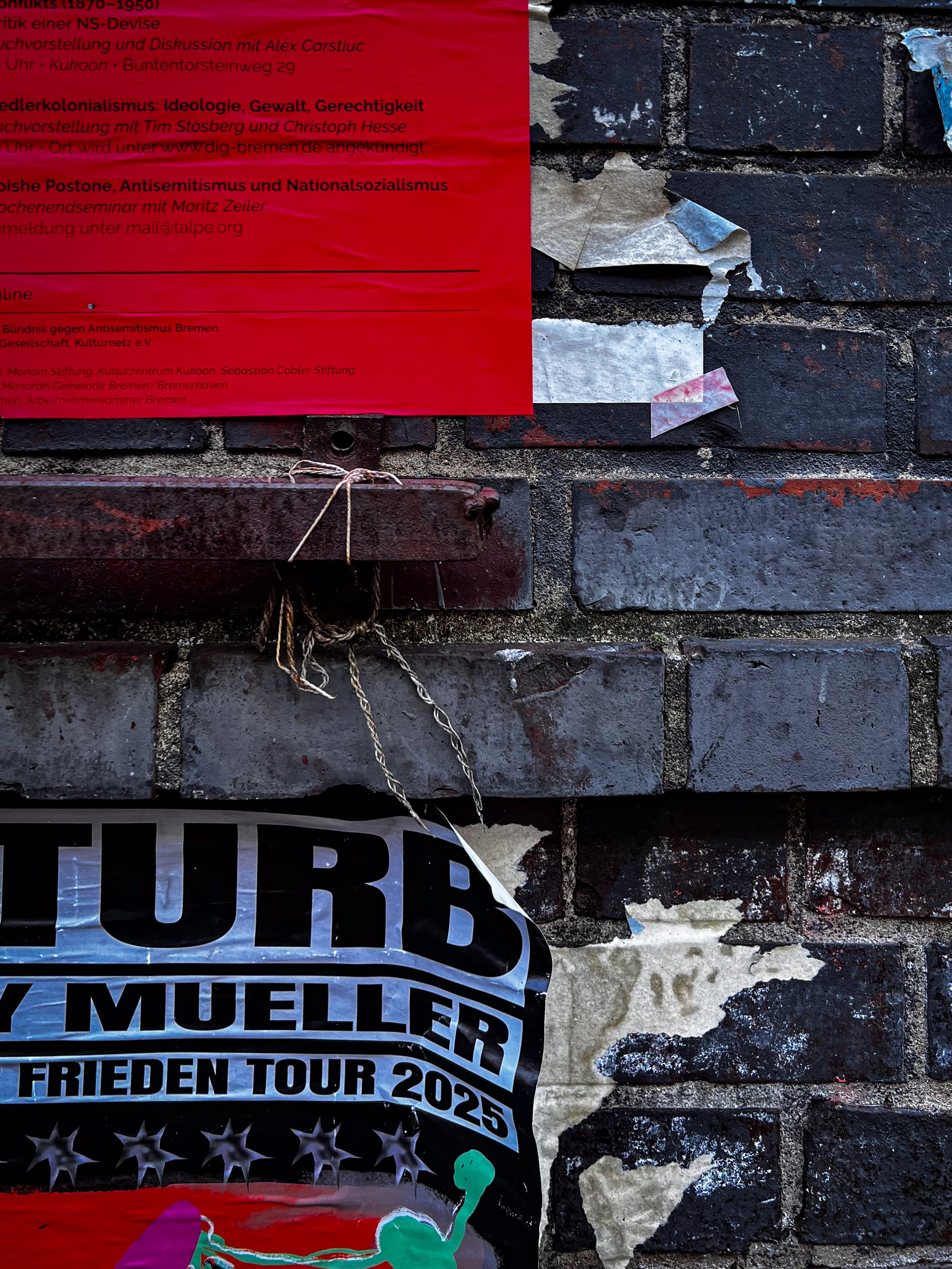
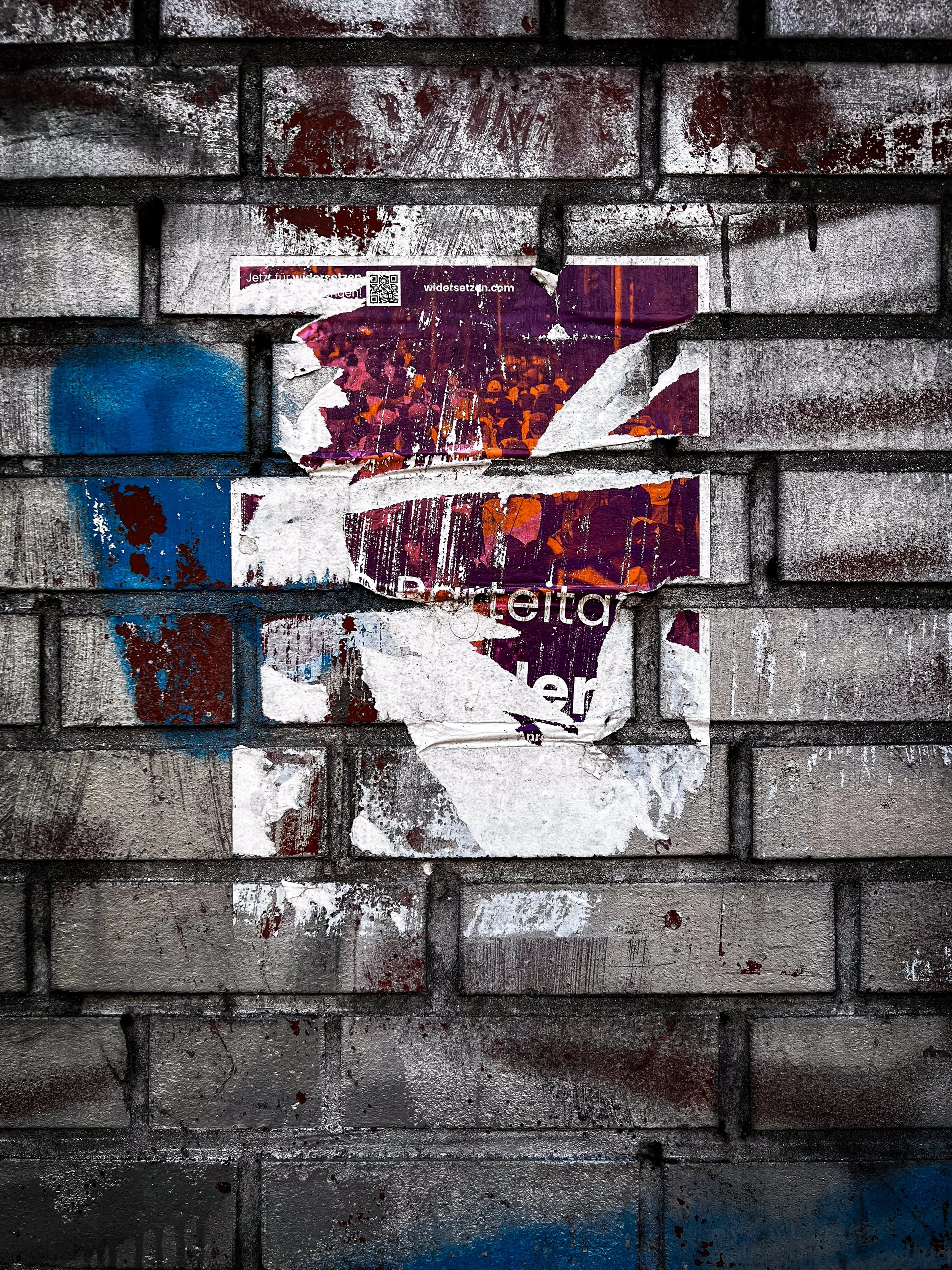
Faded paint, weathered brick, hand-laid stones, rusted metal, and layered posters create a visual language all their own. Every surface shows signs of use, repair, and exposure. These materials take in rain, long summer sunlight, and the daily wear of city life. In the city, nothing stays untouched for long, and that wear becomes part of the architecture.
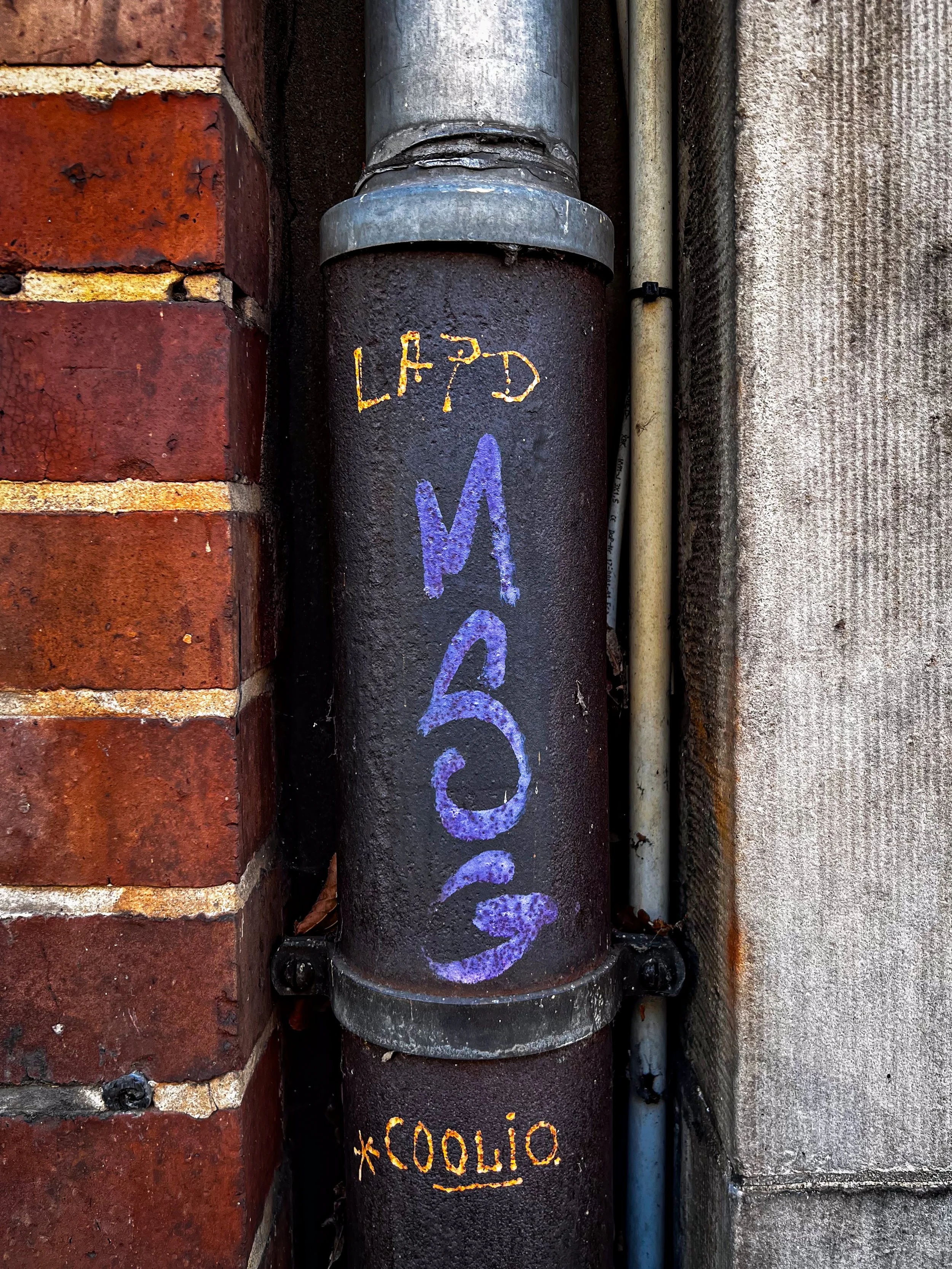
These textures link buildings that might not seem connected at first. A century-old stucco wall has the same roughness as an alleyway corner. A worn drainpipe matches the look of a faded mural nearby. Together, they create a sense of continuity. Not because they are the same, but because they share the same history. The neighborhood is held together by many different surfaces. Each has faced the same weather, history, and flow of people.
Taking a closer look makes you slow down. Your focus moves from big stories to the real, physical details of a place. Neustadt is made of brick and mortar, like many cities. But it is also made of layers shaped by touch, weather, and repair. These textures are reminders. Cities are not fixed designs. They are living places, shaped little by little.
Which forgotten corner in your own city tells its story in texture? Could you navigate the history of that town by touch? By color? What are the textures of your home like?










I Blame Michael Connelly
Photo by Camel Cazacu on Unsplash
"The fear. It was always there. Fear of rejection, fear of unrequited hope and love, fear of feelings still below the surface line in me. It was all mixed up in the blender and poured smooth as a milkshake into my cup until it was filled to the very edge. So full that if I were to move even one step it would spill over the sides. Therefore I couldn't move. I stayed paralyzed. I stayed home and lived out of a box."
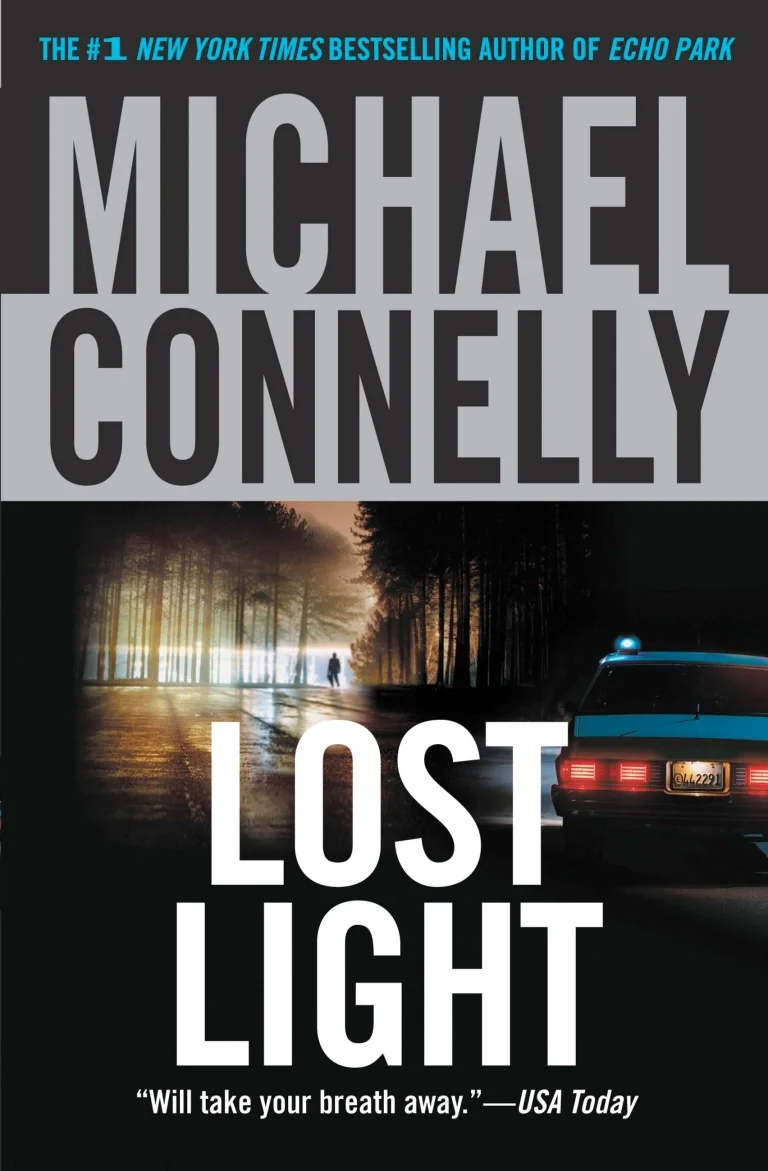
Not only was that moving passage deep in the 2003 novel Lost Light by Michael Connelly, but it was also deep in the Harry Bosch series, the ninth novel. By this point, I had already built up a long-term relationship with the detective. I knew all about his code of "Everybody counts or nobody counts," and his fiery relationship with leadership and Internal Affairs in the LAPD. His relationship with Eleanor Wish was likely doomed from the start, but I followed it from the beginning in The Black Echo. Despite the end of that relationship, he carried a very real and palpable yearning that belied his toughness. Or, maybe that internal softness was only able to survive because the outer toughness allowed it to do so.
Those words thought by Harry spoke to his deep feelings for Eleanor and the life he hoped to live, but was afraid to reach out for. He was so afraid of making things worse, of spilling everything or anything, that he did nothing instead. When I read the novel, perhaps I was in a similar life position but wasn't conscious enough to recognize it. Maybe I needed my life mirrored back at me indirectly so I could see it and feel those things without fully grasping my own situation. For my own reasons, I was paralyzed by a fear of failure and the risk of success, so instead, I continued to be less than who I could be. But with this novel, and this character, and this passage specifically, a seed was planted.
The novel has other elements that hooked me as a writer, as an artist. It was the first of the Bosch novels to be written in first person, all the previous having been in third person. This change produced a drastic enough result in me that a whole new world of expression opened up, also music. The accompanying jazz soundtrack was a first for me. With the CD that came with the hardcover edition, a reader could listen along and hear what Harry was listening to as the songs were referenced in the story. It let me know that a writer's art can leave the page and transcend a single dimension.
So, between Michael Connelly and John Straley, you're stuck with me as a writer.
I Blame John Straley
In which we visit an inspiration
Photo by Zdeněk Macháček on Unsplash
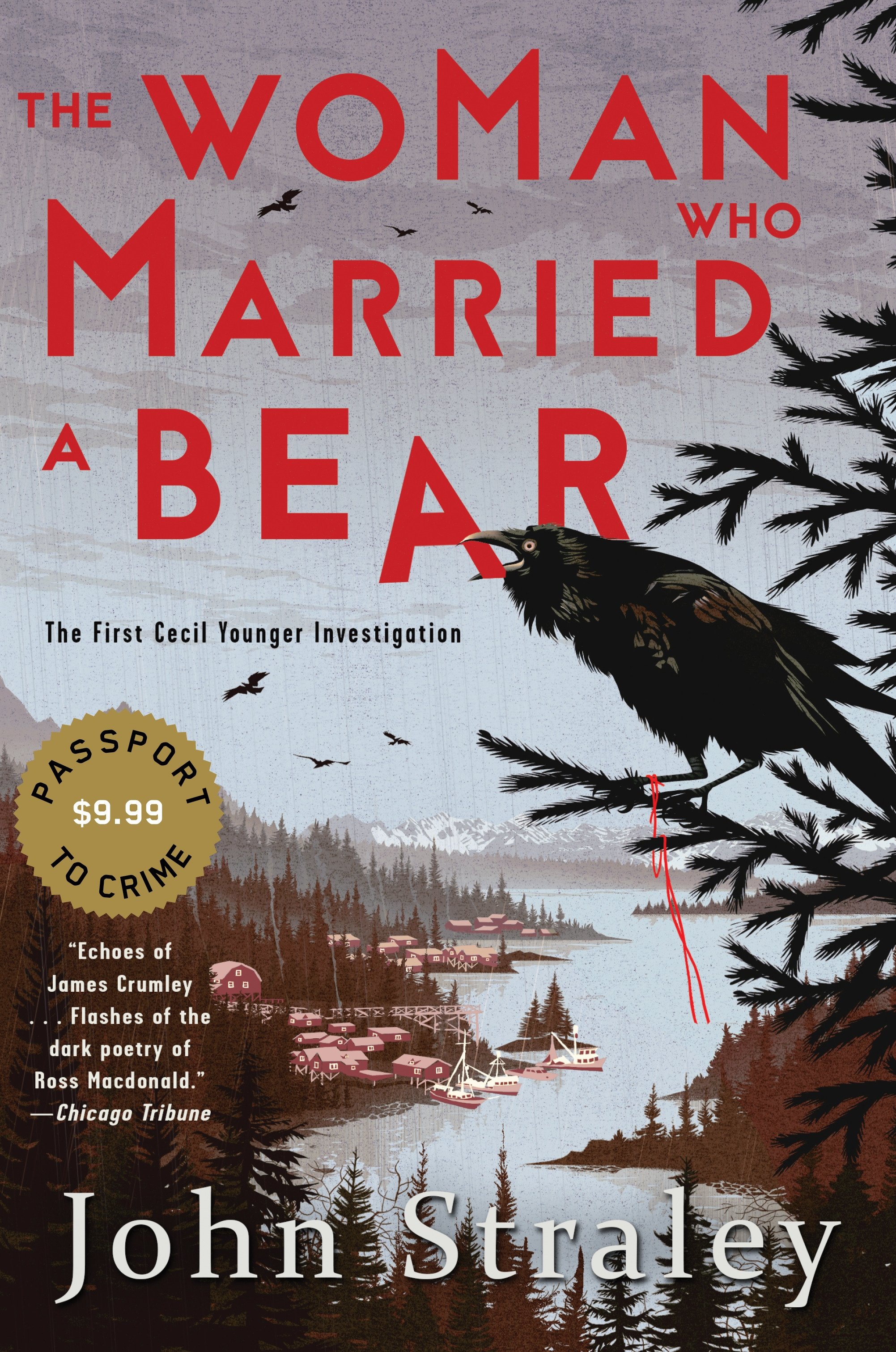
I am a writer, at least partially, because of John Straley. He was one of the two main influences that sparked my desire to create words that mattered (I’ll cover the other in a future post). His body of work is wonderful, but it's his Cecil Younger series that most inspired me. That character expressed how richly and deeply crime fiction can reveal the depths of human emotion. Straley showed me how much a person like Cecil could feel and express love and lust while still fighting all of his inner demons, often unsuccessfully. While not quite a Bukowski-esque type, he had those elements of self-loathing and self-destruction inside of him that kept him on the margins of his community and his family. I suspect that Cecil liked living there, too.
The first novel in a series, The Woman Who Married a Bear, is ostensibly a murder mystery novel, but it reveals itself to be so much more than that. It's a cultural lesson and a descriptive map of Alaska. Mostly, or so it seemed to my tender heart when I read it, it's a love story, or at least a story of longing for a lost love. The book about murder contained one of the most beautiful passages I'd ever read.
“The sun dappled in through the canopy of the limbs, and Hannah moved slowly around the graves to the edges of the clearing where the berry bushes crowded each other, reaching for the light. The berries were soft and thick with juice, loosely hung on their stems; sacks of color and flavor like eggs ripe in the bellies of the salmon running up the stream. There were wild flowers among the graves: shooting stars, bog orchids, and the deadly monkshood.”
I remember feeling I could have been underwater watching her swim naked over a tropical reef, but she was walking in and out of shadow, reaching up for the berries and gently placing them in the plastic bucket she had hung around her neck. Sometimes the upper limbs of a bramble would catch her blond hair, and as she stepped forward one of them would lift a strand into the light as if it were a broken web blowing out from a doorway.”

I was immediately struck by the power and beauty of those words when I read them back in the 90s. I read this while I was living in Alaska, and I'm familiar with the area in which this passage takes place. Perhaps that's an extra level of kinship to it, but the picture created by those words left me floored. They capture a man smitten by the wonders of nature and in love with the most lovely creature he'd ever encountered. It's a scene I've tried—and failed—to replicate in my writing.
But I write anyway. Whether I can ever reach the quality of what inspired me or not, I write. Whether I’ll ever be able to create something as perfect as that "broken web blowing out from a doorway" or not, I'll continue.
Thank you, Mr. Straley.