I Blame John Straley
Photo by Zdeněk Macháček on Unsplash
I am a writer, at least partially, because of John Straley. He was one of the two main influences that sparked my desire to create words that mattered (I’ll cover the other in a future post). His body of work is wonderful, but it's his Cecil Younger series that most inspired me. That character expressed how richly and deeply crime fiction can reveal the depths of human emotion. Straley showed me how much a person like Cecil could feel and express love and lust while still fighting all of his inner demons, often unsuccessfully. While not quite a Bukowski-esque type, he had those elements of self-loathing and self-destruction inside of him that kept him on the margins of his community and his family. I suspect that Cecil liked living there, too.
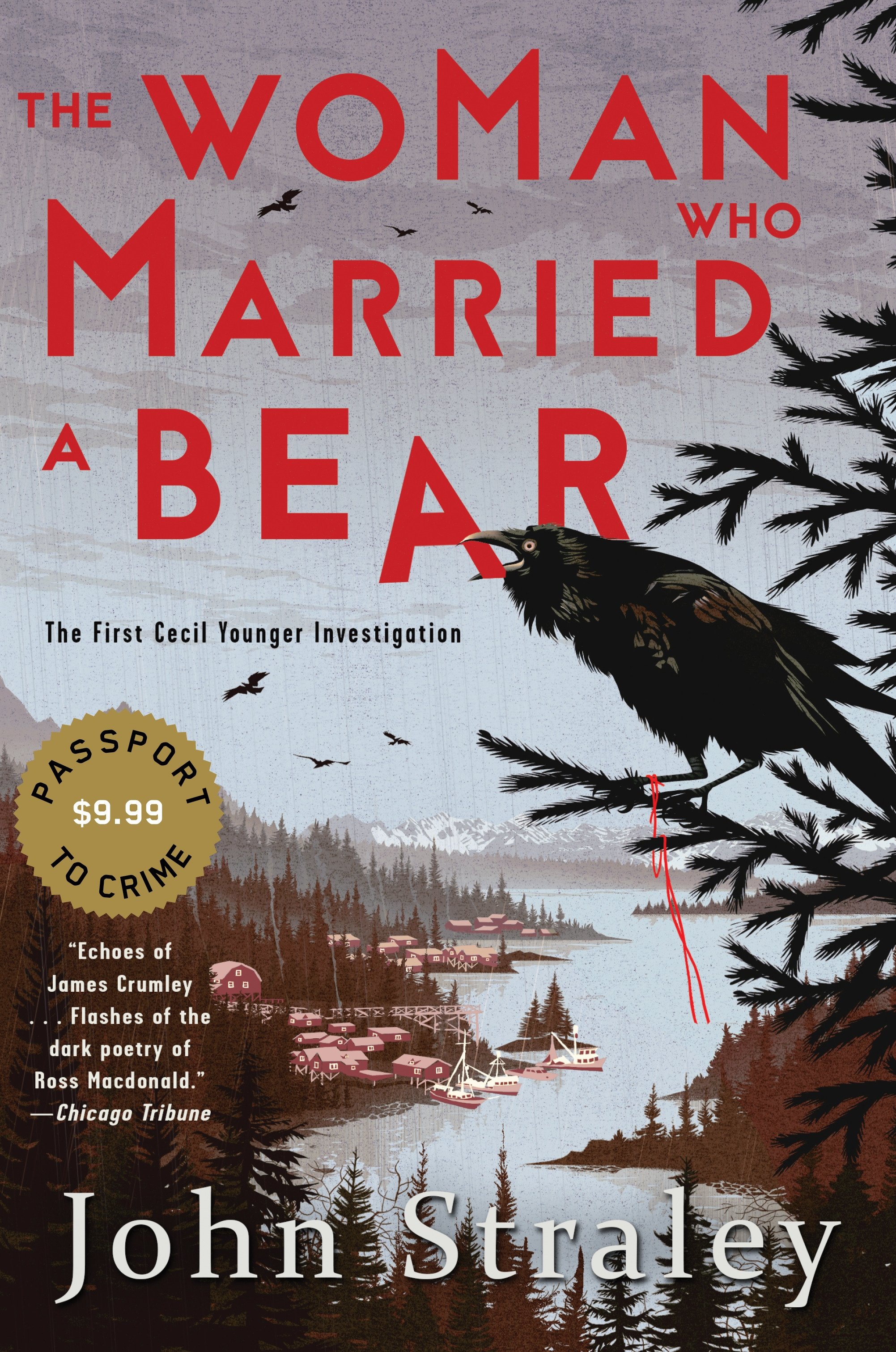
The first novel in a series, The Woman Who Married a Bear, is ostensibly a murder mystery novel, but it reveals itself to be so much more than that. It's a cultural lesson and a descriptive map of Alaska. Mostly, or so it seemed to my tender heart when I read it, it's a love story, or at least a story of longing for a lost love. The book about murder contained one of the most beautiful passages I'd ever read.
“The sun dappled in through the canopy of the limbs, and Hannah moved slowly around the graves to the edges of the clearing where the berry bushes crowded each other, reaching for the light. The berries were soft and thick with juice, loosely hung on their stems; sacks of color and flavor like eggs ripe in the bellies of the salmon running up the stream. There were wild flowers among the graves: shooting stars, bog orchids, and the deadly monkshood.”
I remember feeling I could have been underwater watching her swim naked over a tropical reef, but she was walking in and out of shadow, reaching up for the berries and gently placing them in the plastic bucket she had hung around her neck. Sometimes the upper limbs of a bramble would catch her blond hair, and as she stepped forward one of them would lift a strand into the light as if it were a broken web blowing out from a doorway.”

I was immediately struck by the power and beauty of those words when I read them back in the 90s. I read this while I was living in Alaska, and I'm familiar with the area in which this passage takes place. Perhaps that's an extra level of kinship to it, but the picture created by those words left me floored. They capture a man smitten by the wonders of nature and in love with the most lovely creature he'd ever encountered. It's a scene I've tried—and failed—to replicate in my writing.
But I write anyway. Whether I can ever reach the quality of what inspired me or not, I write. Whether I’ll ever be able to create something as perfect as that "broken web blowing out from a doorway" or not, I'll continue.
Thank you, Mr. Straley.