Textures of Neustadt
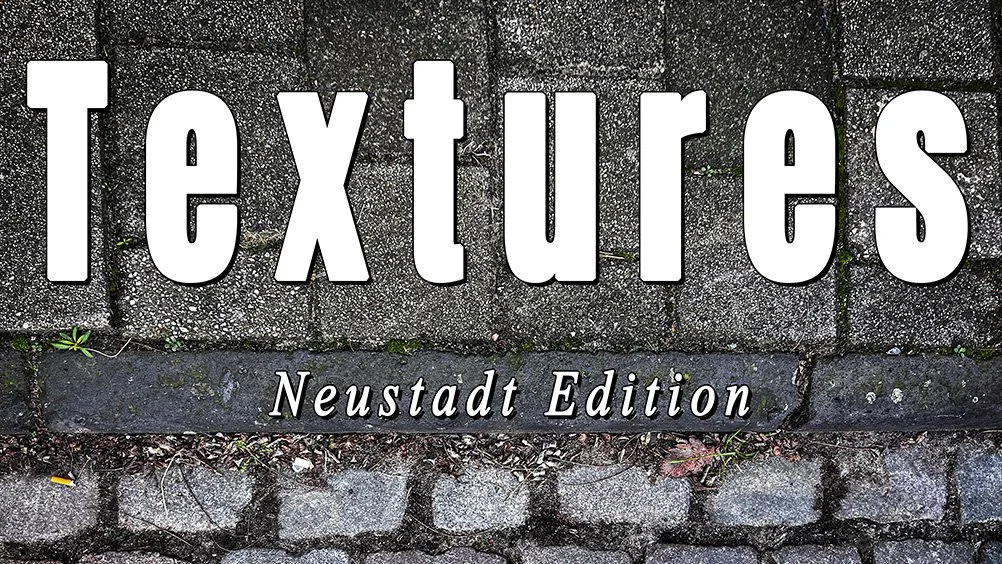
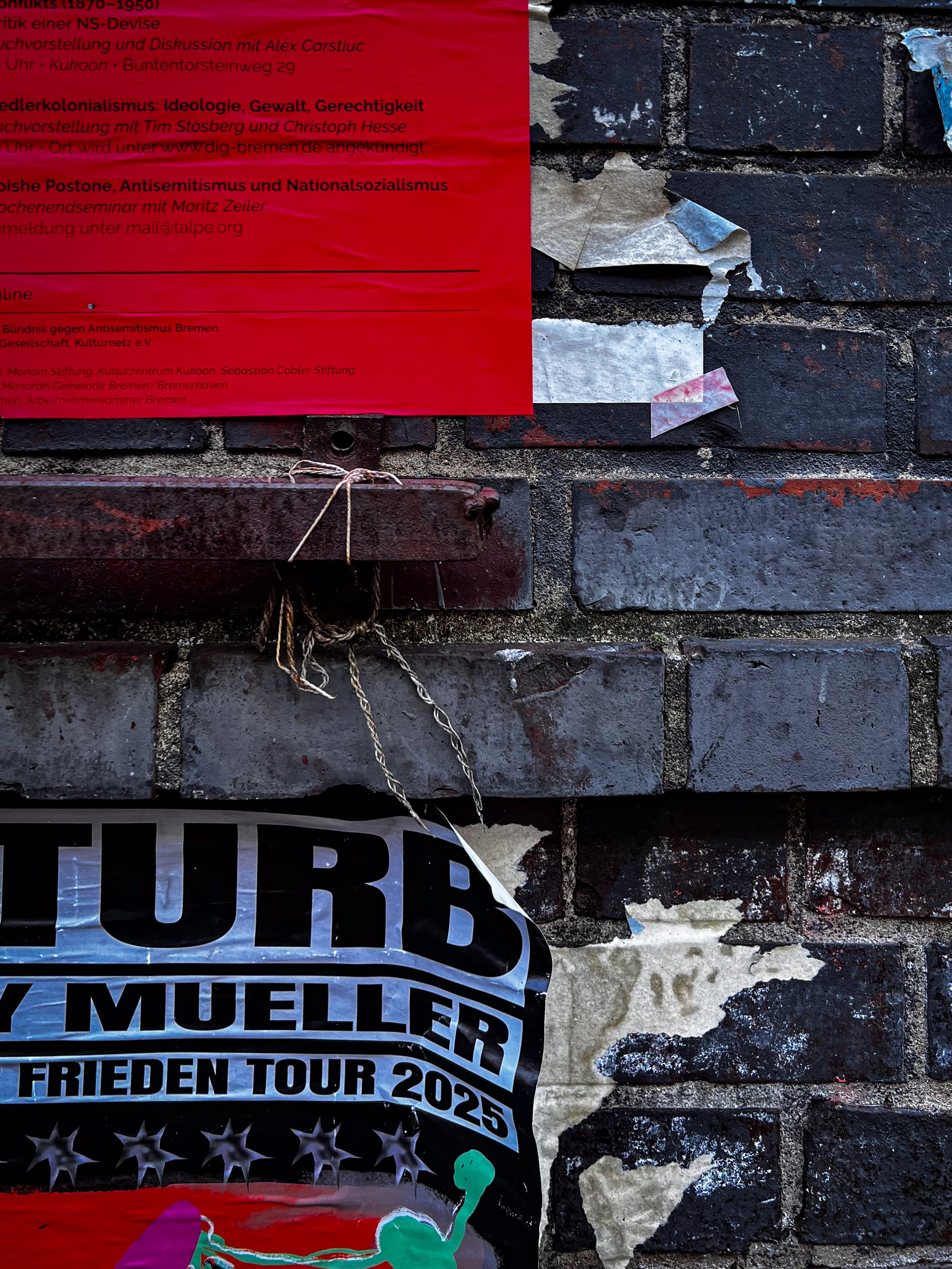
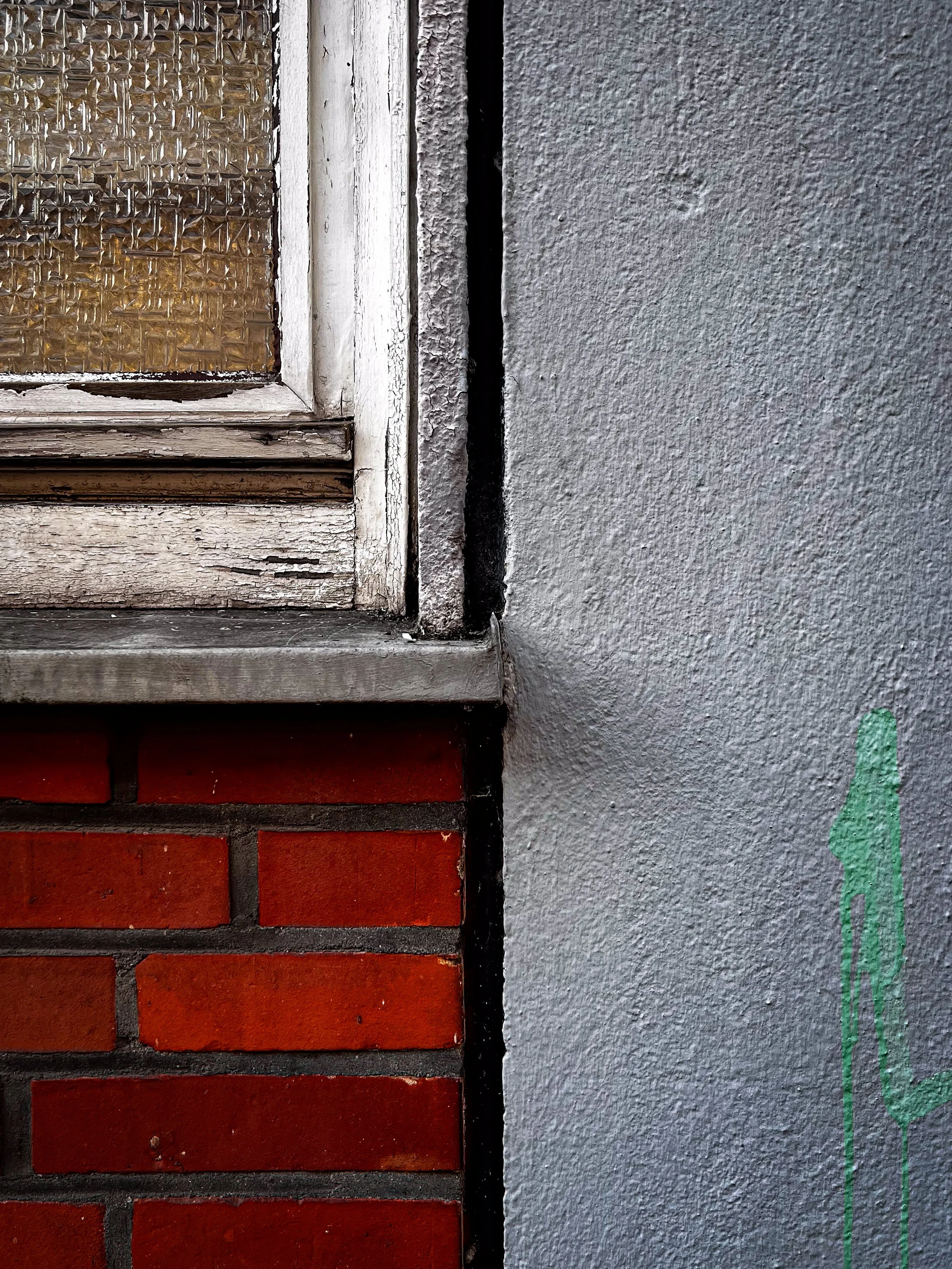
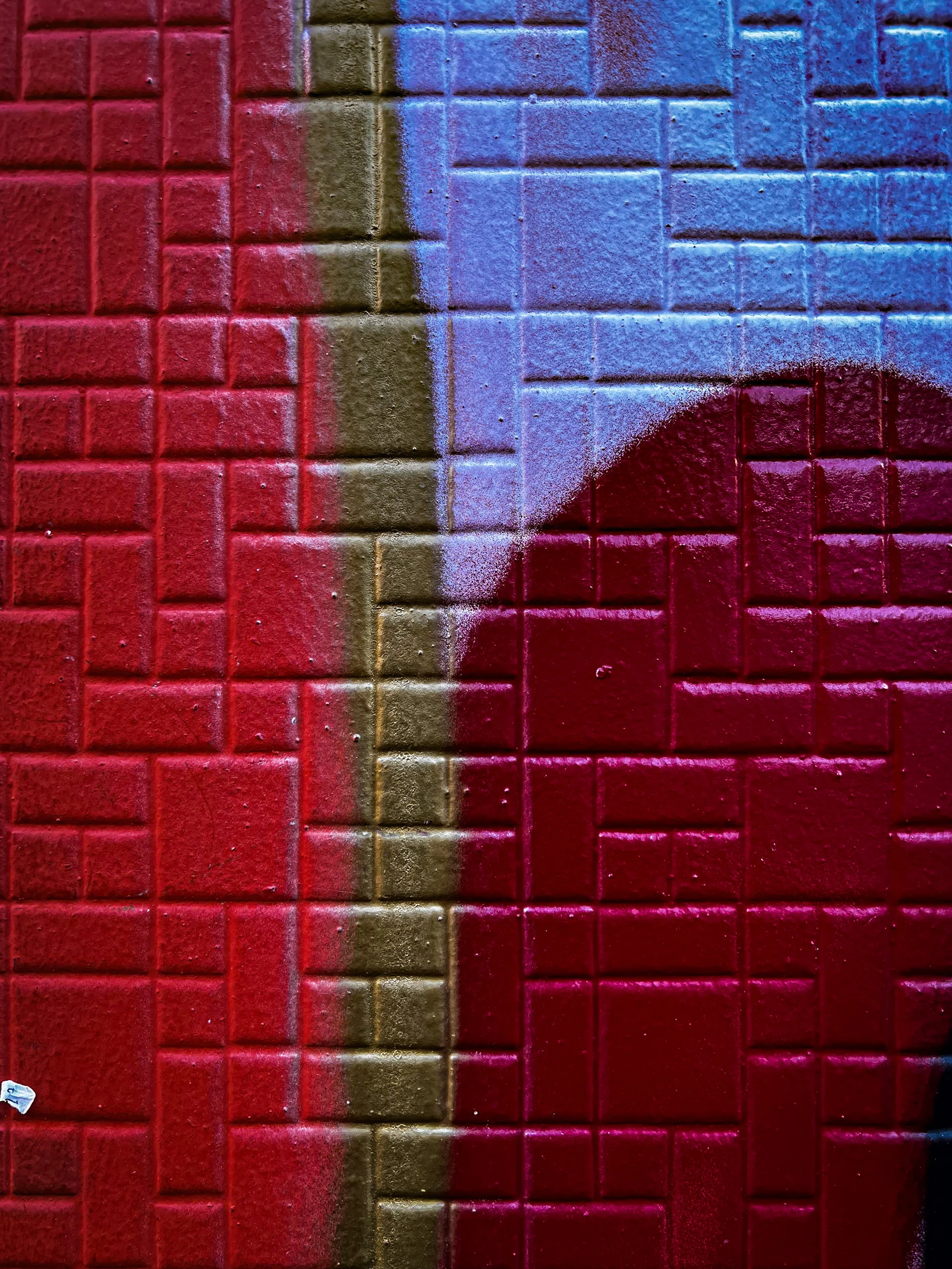
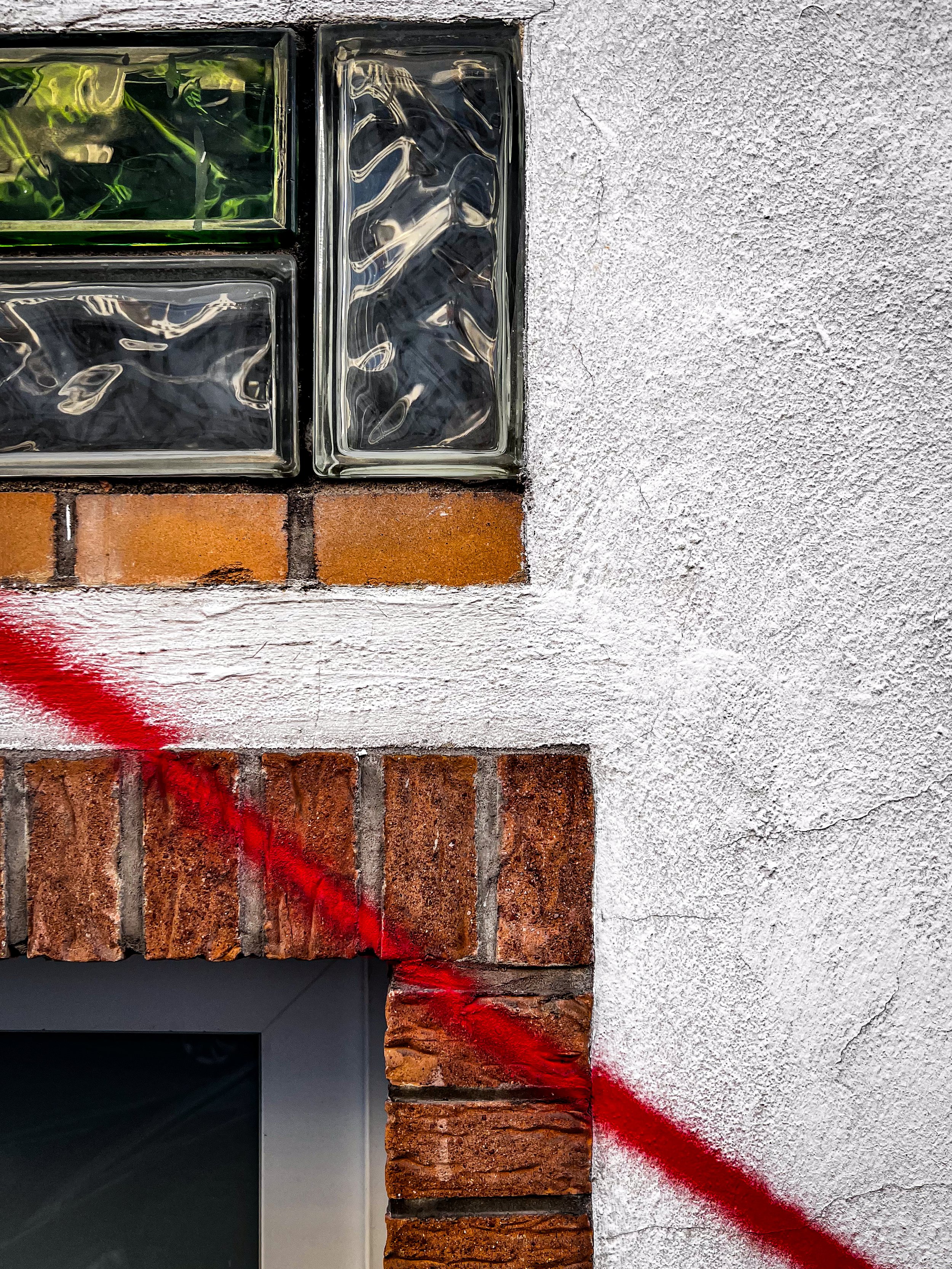
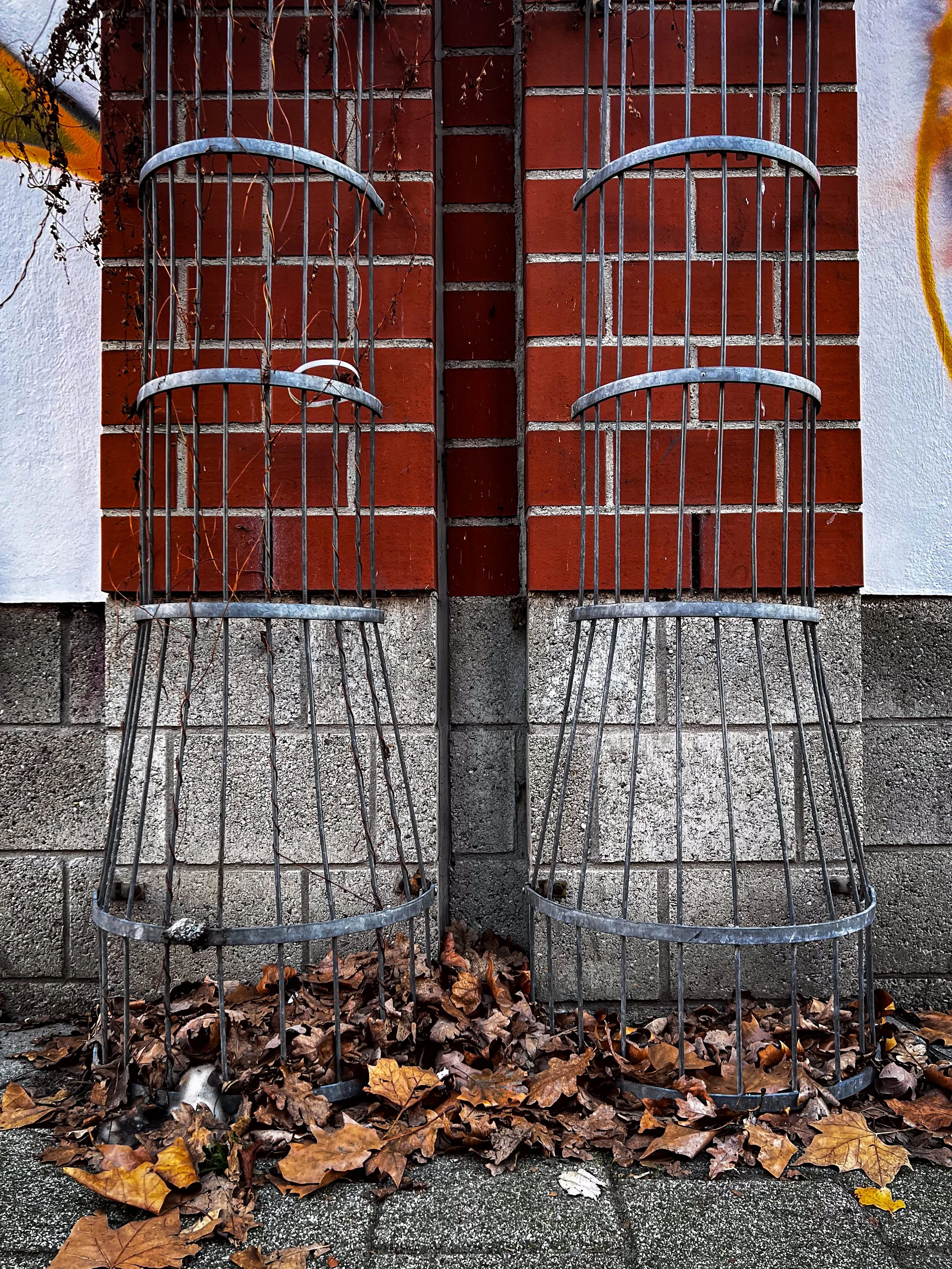
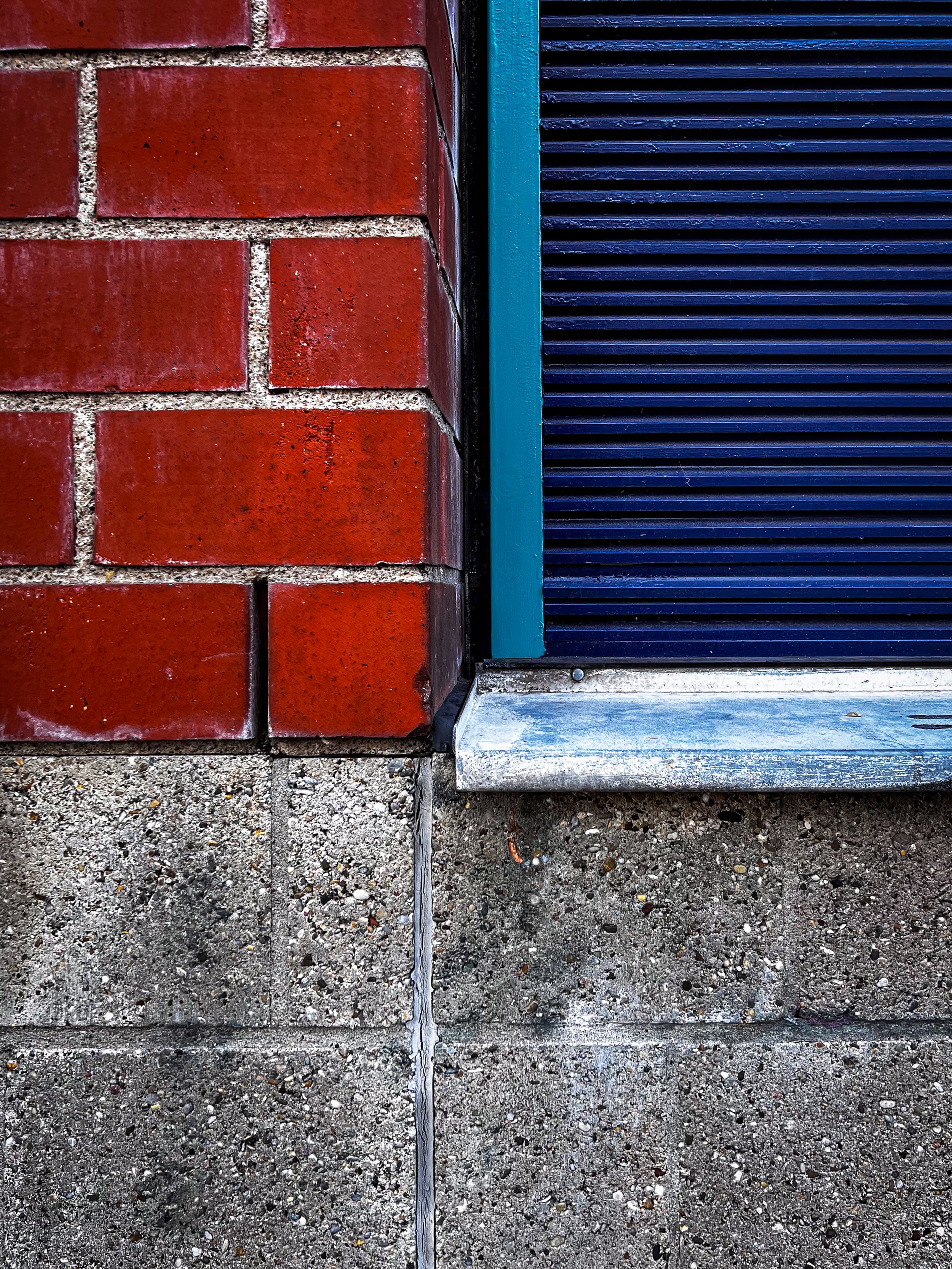
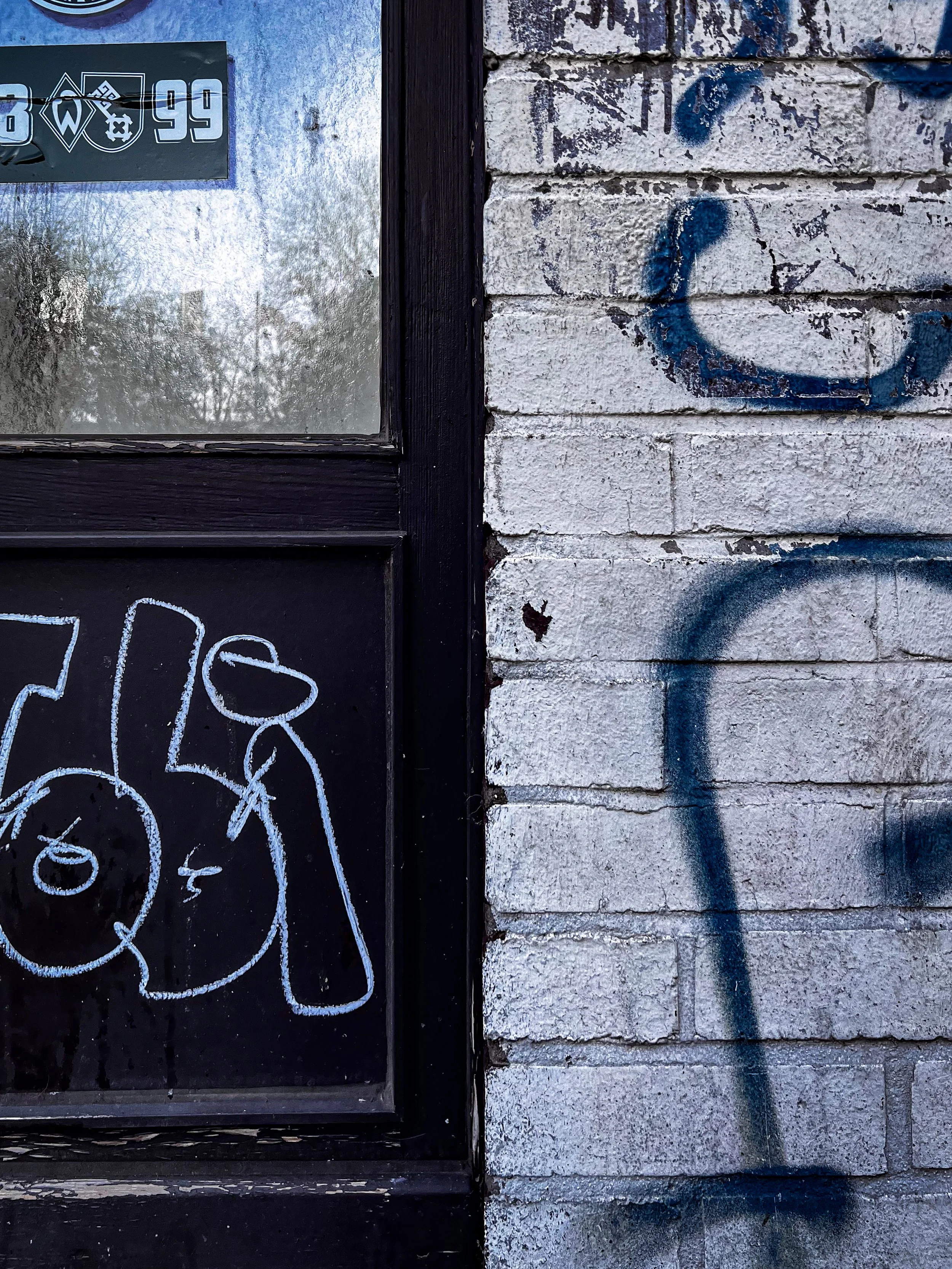
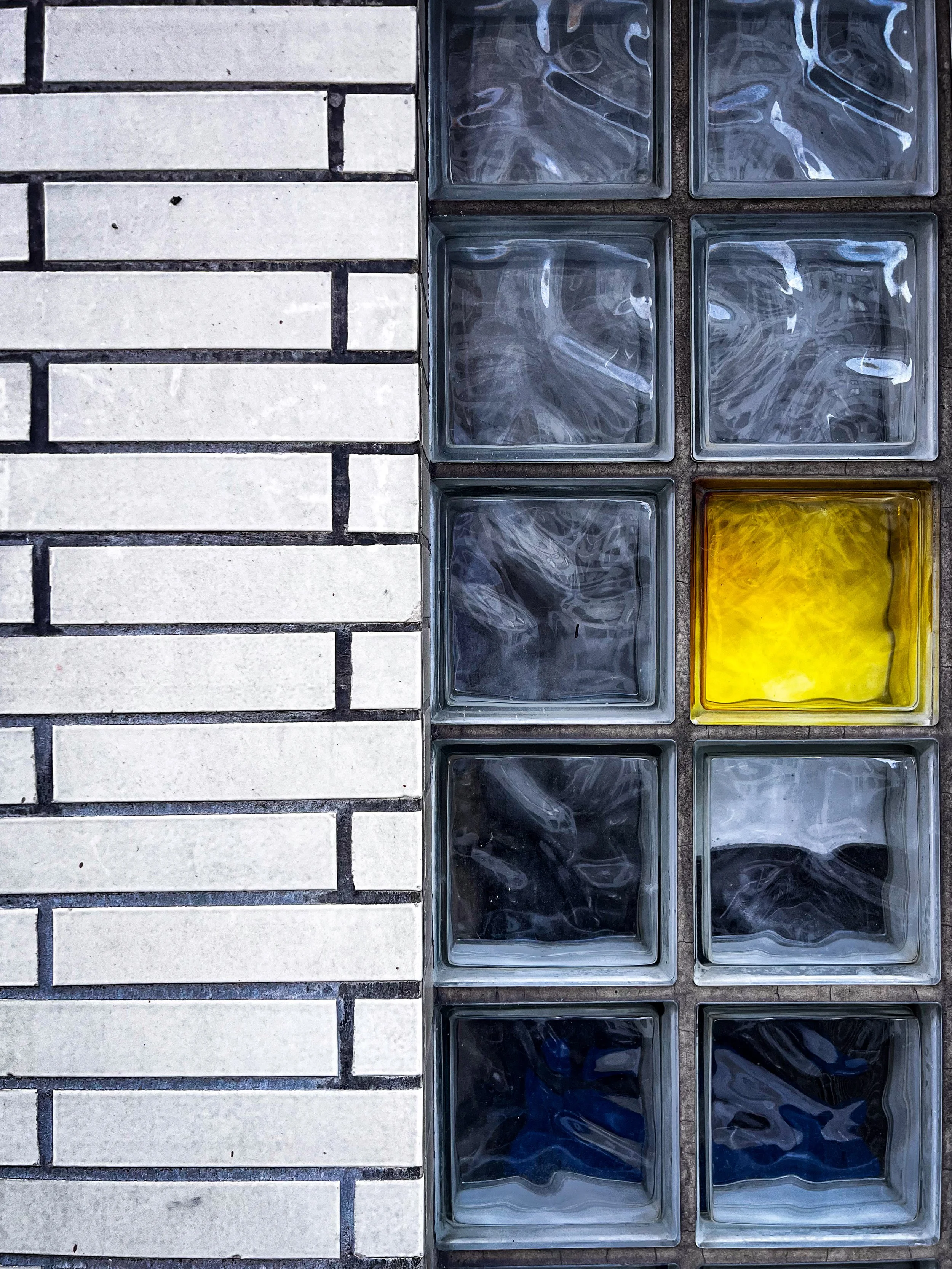
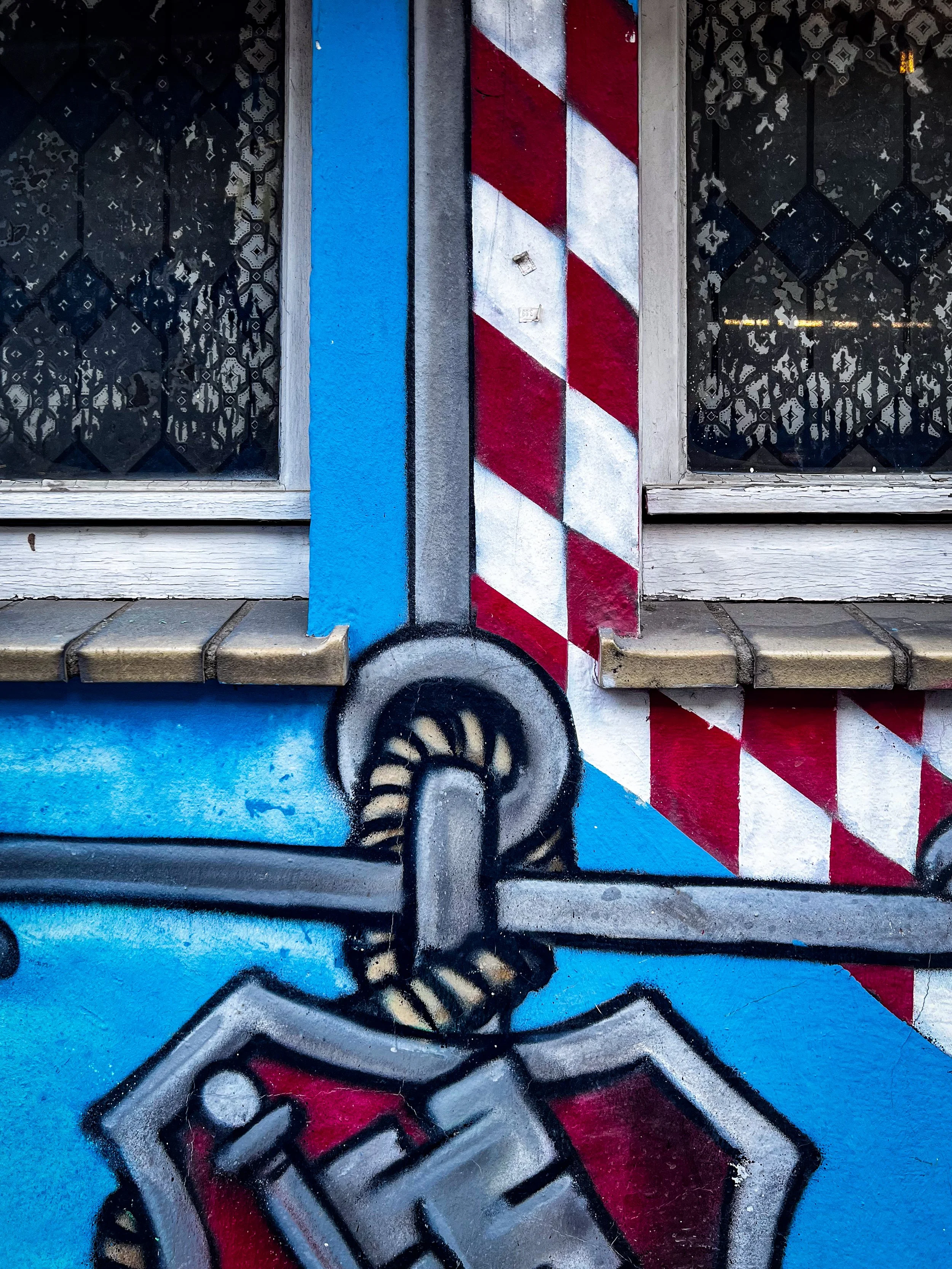
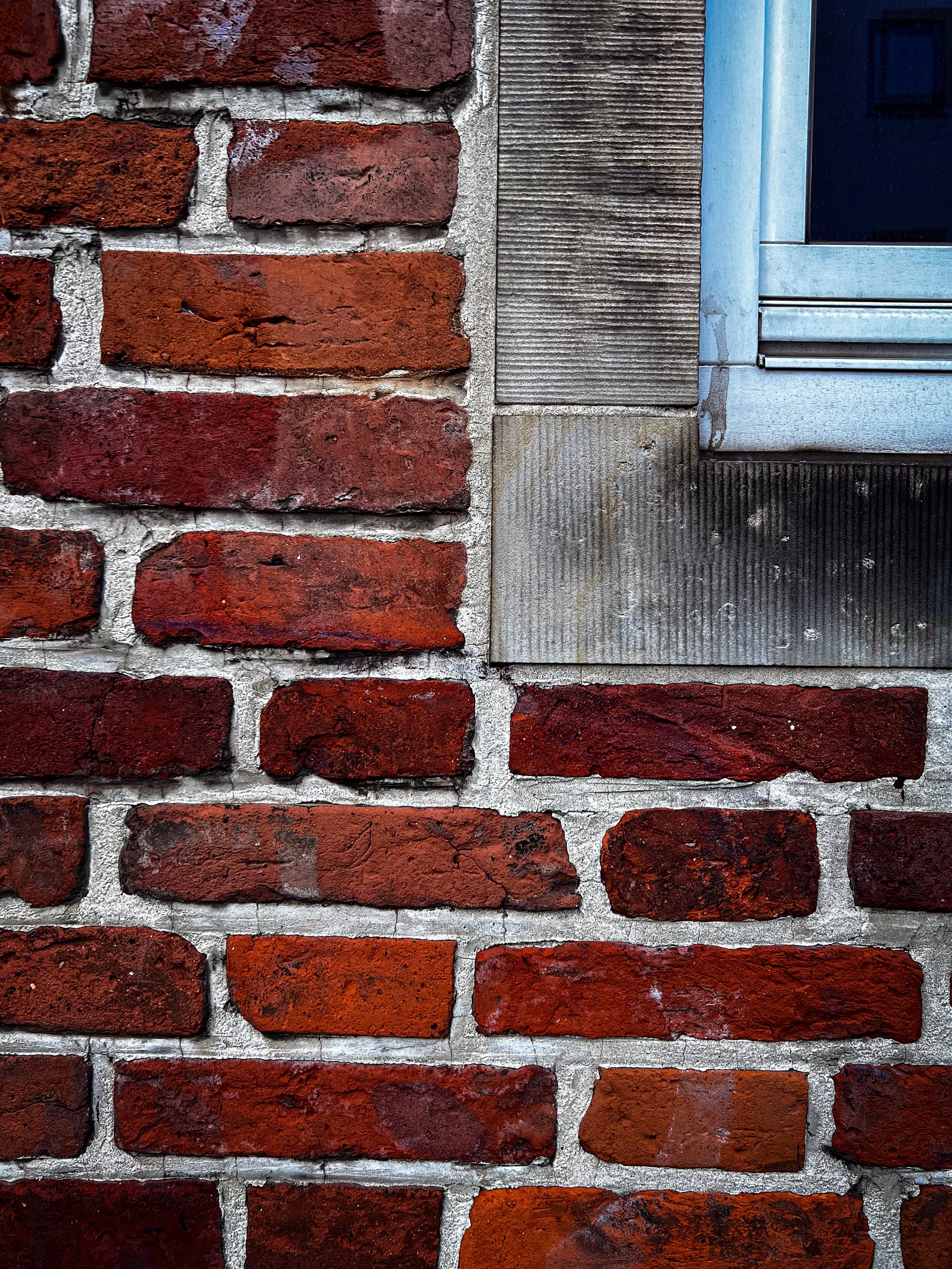
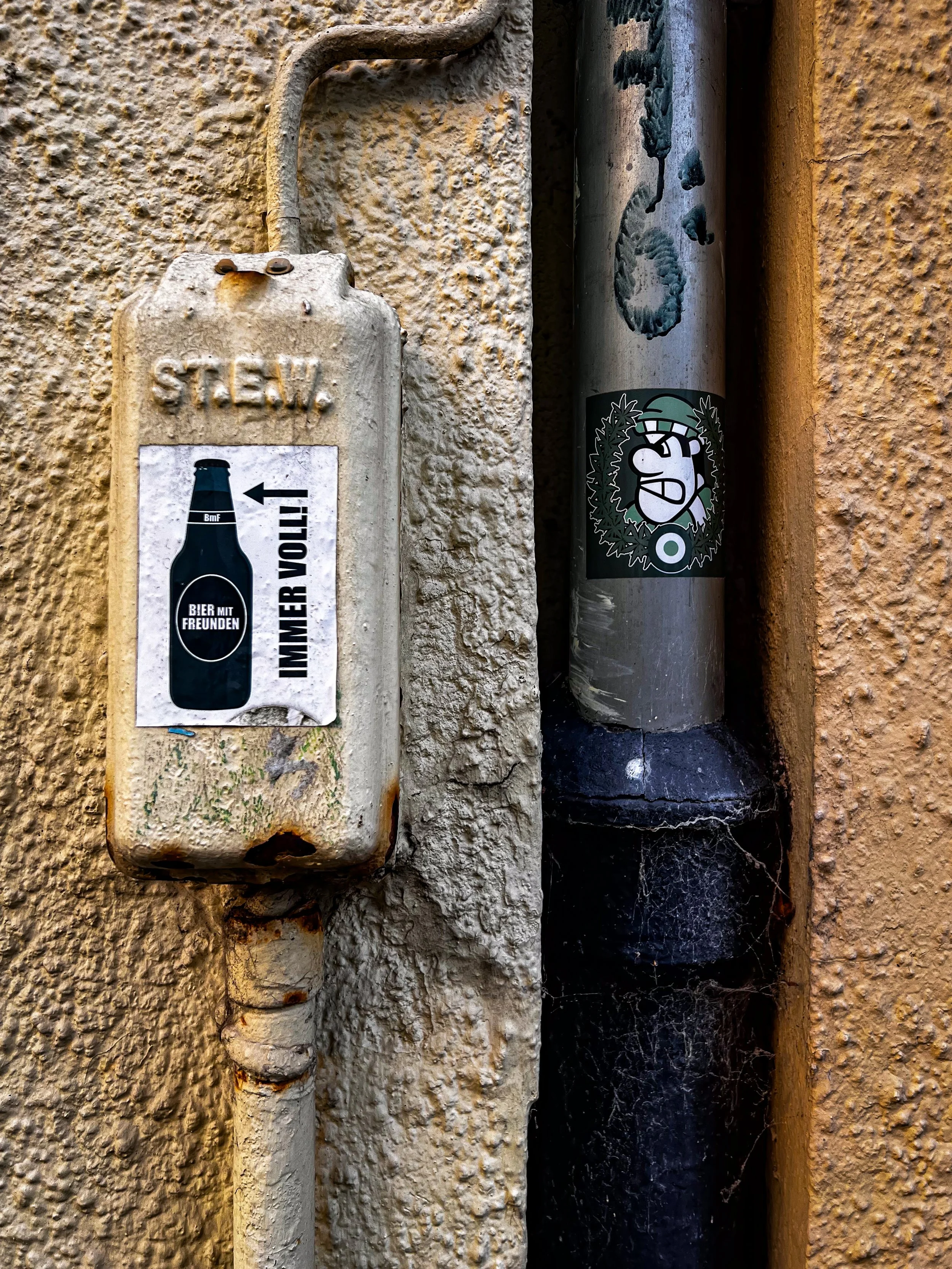
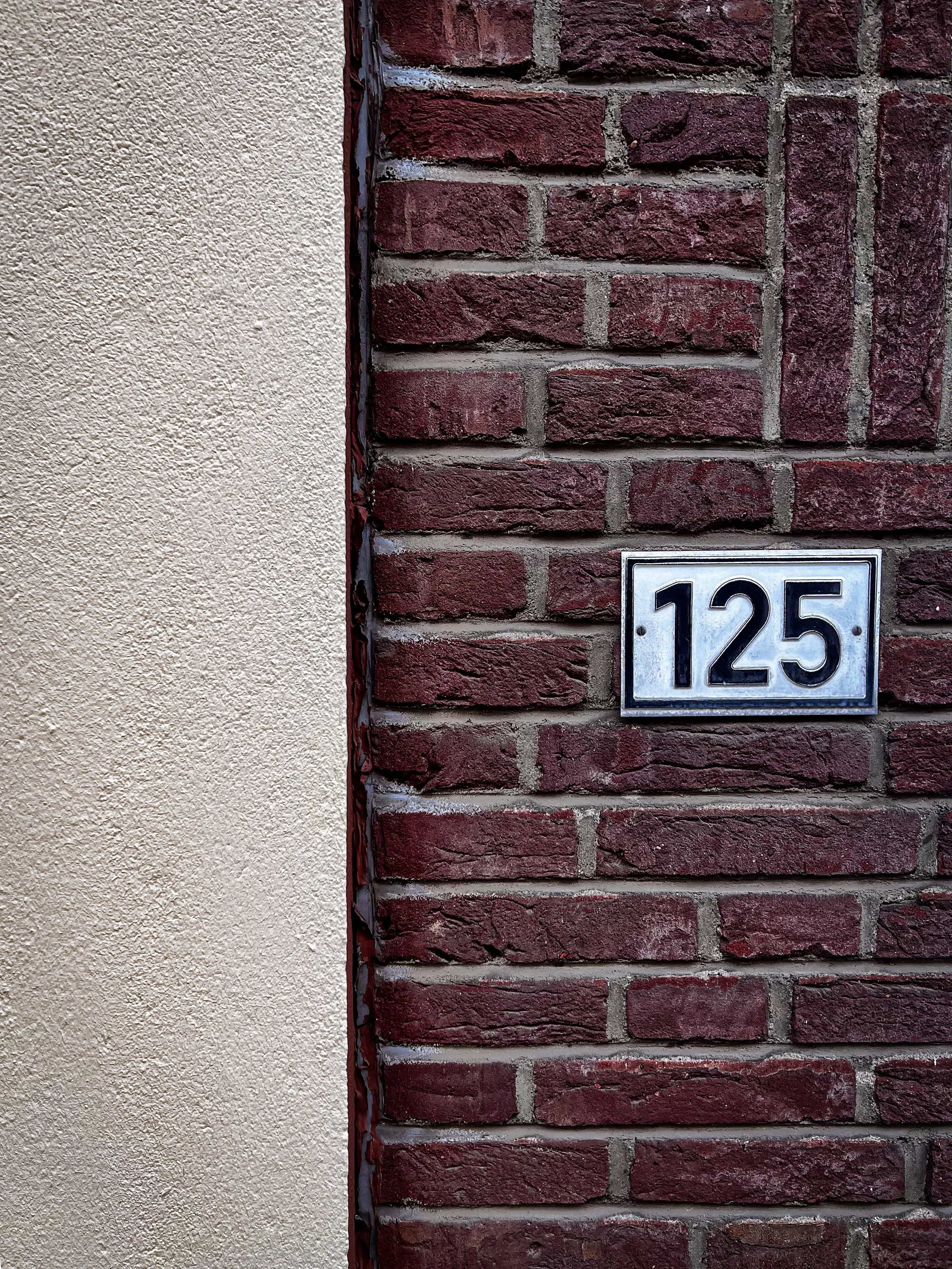
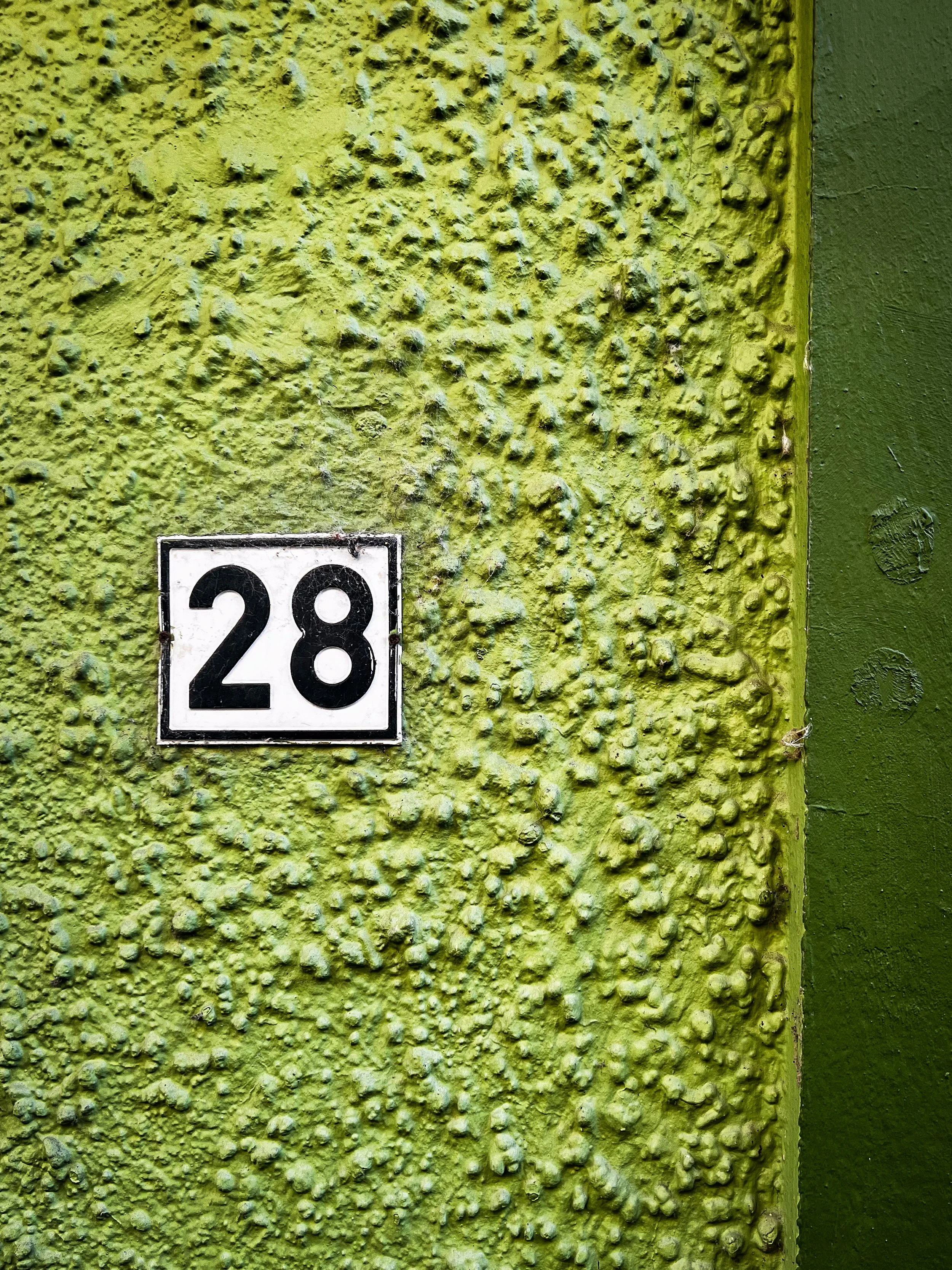
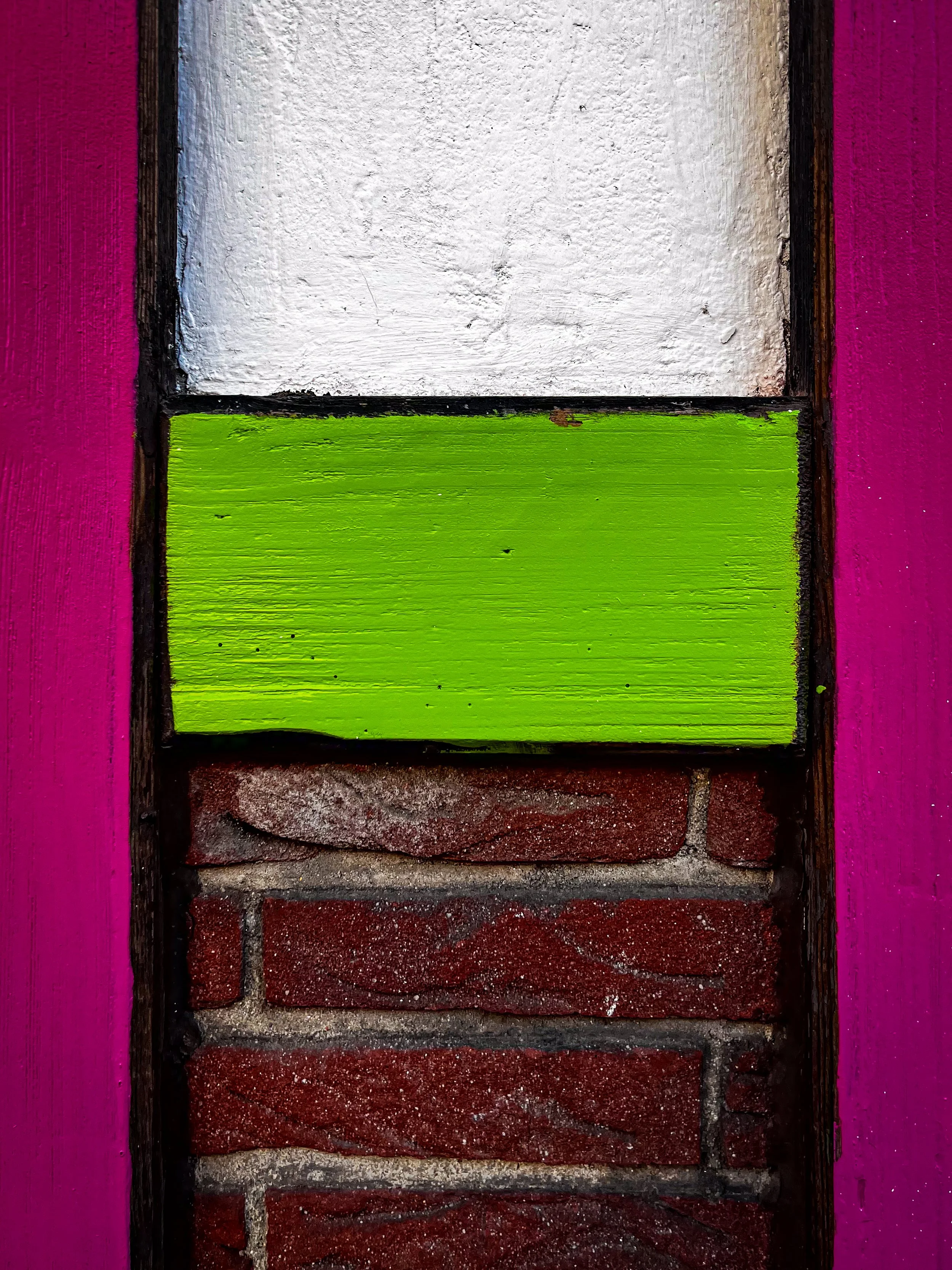
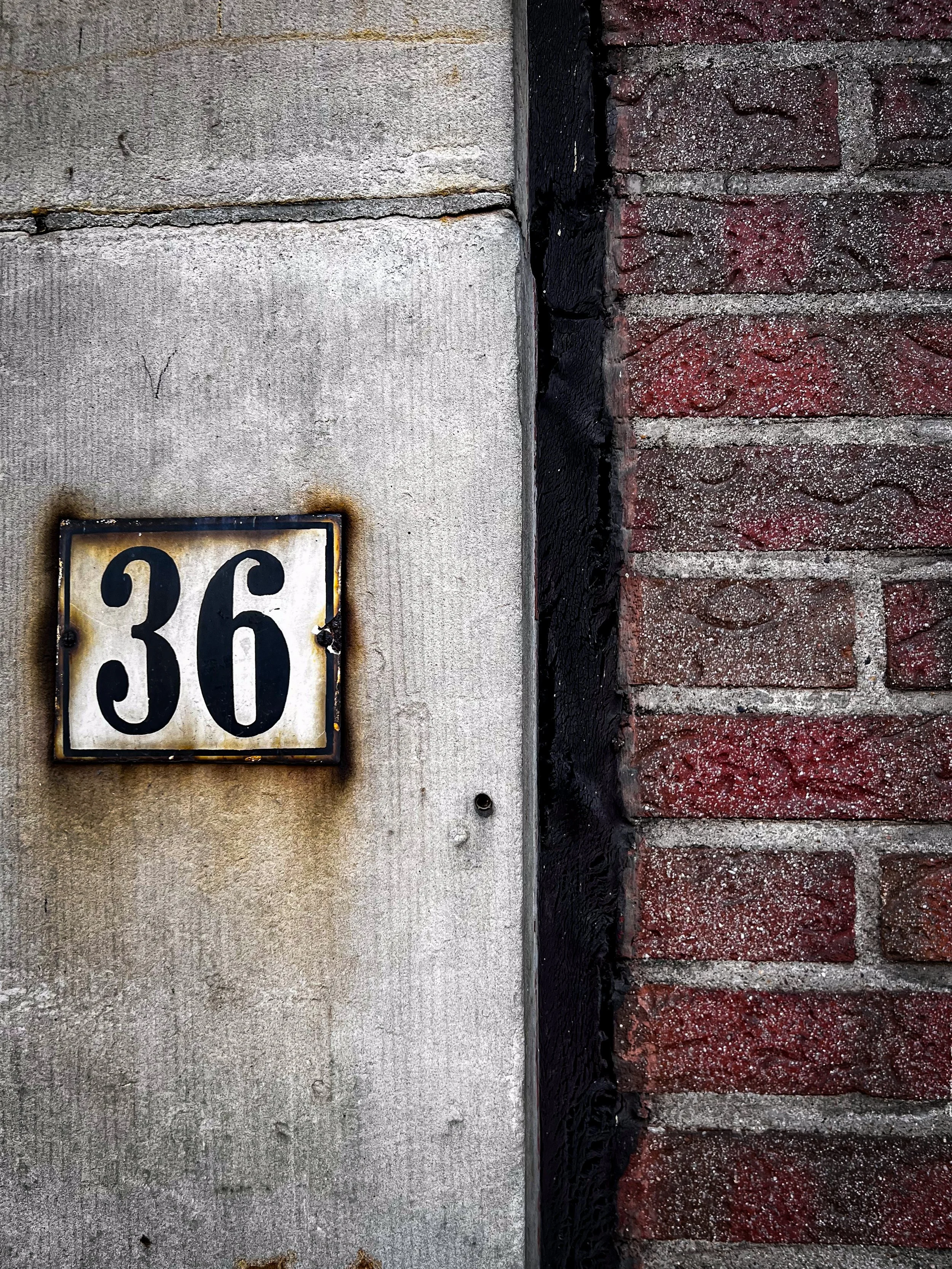
When you walk through Neustadt, the neighborhood in Bremen where I live, it’s easy to focus on the streets, façades, and storefronts. They appear as complete scenes. The historic buildings catch your eye right away. But the neighborhood truly comes alive up close. It shows itself in the walls, corners, and surfaces that bear signs of age. The textures here aren’t just decoration. They are what quietly hold the place together.
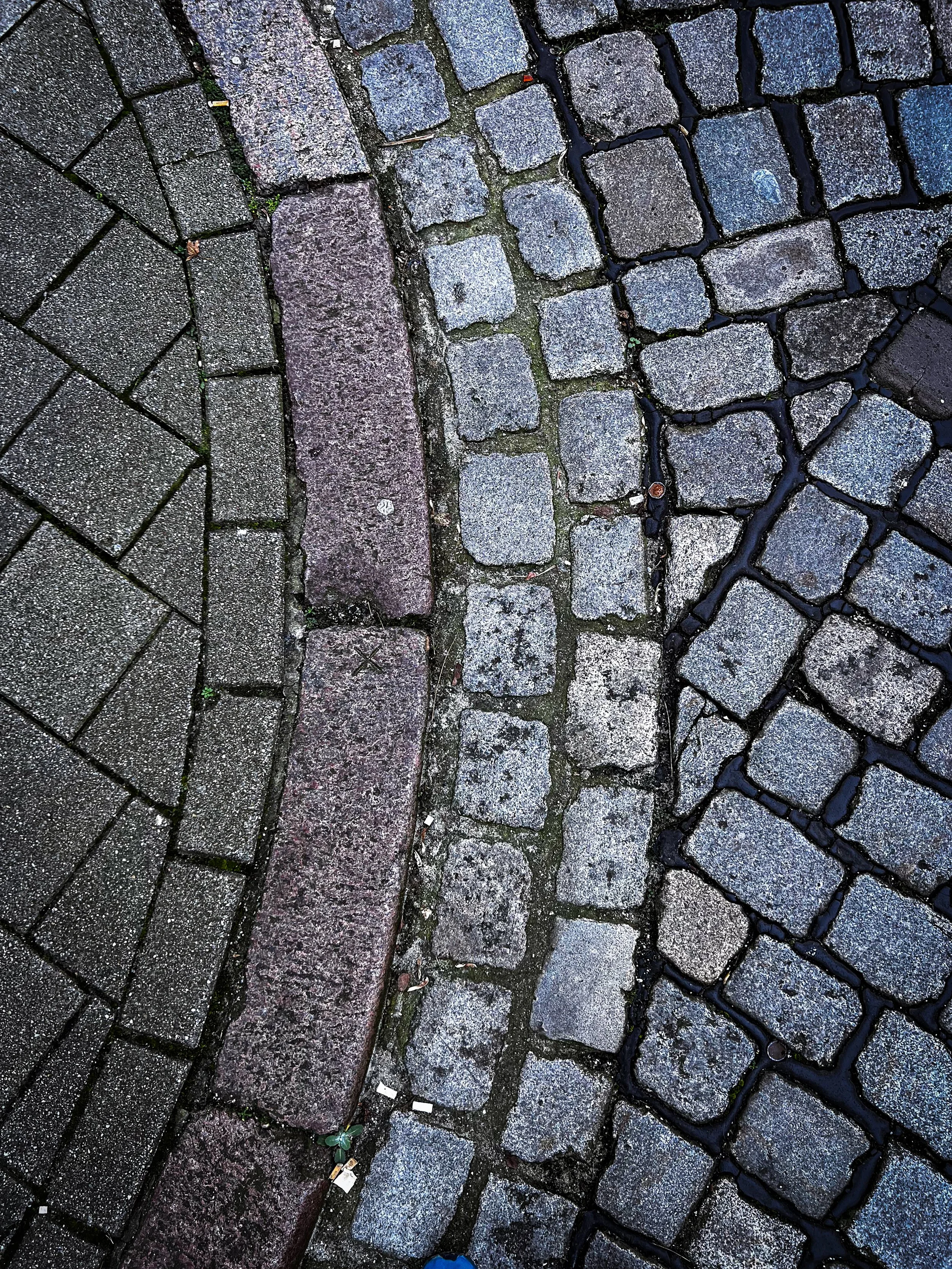
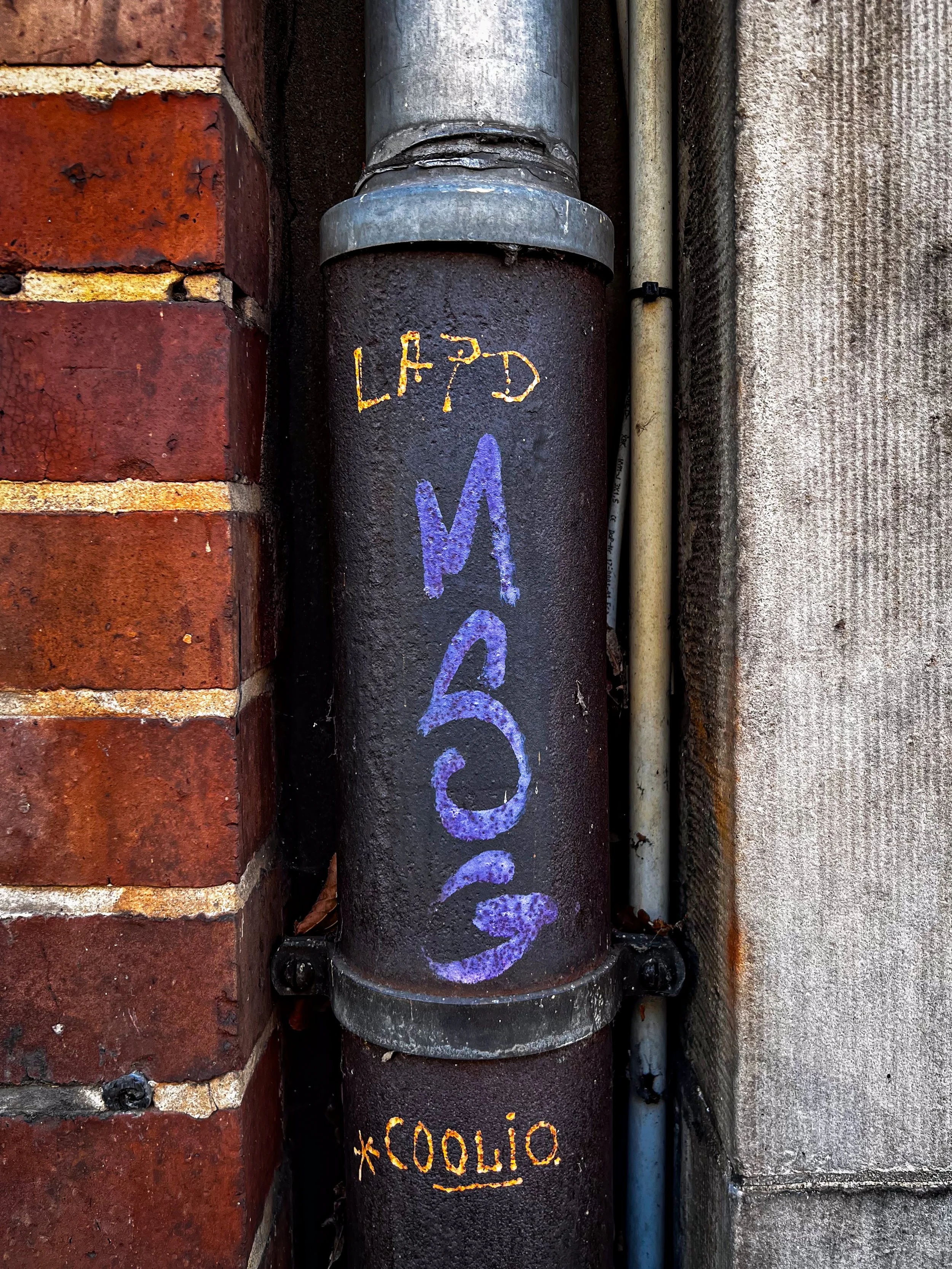
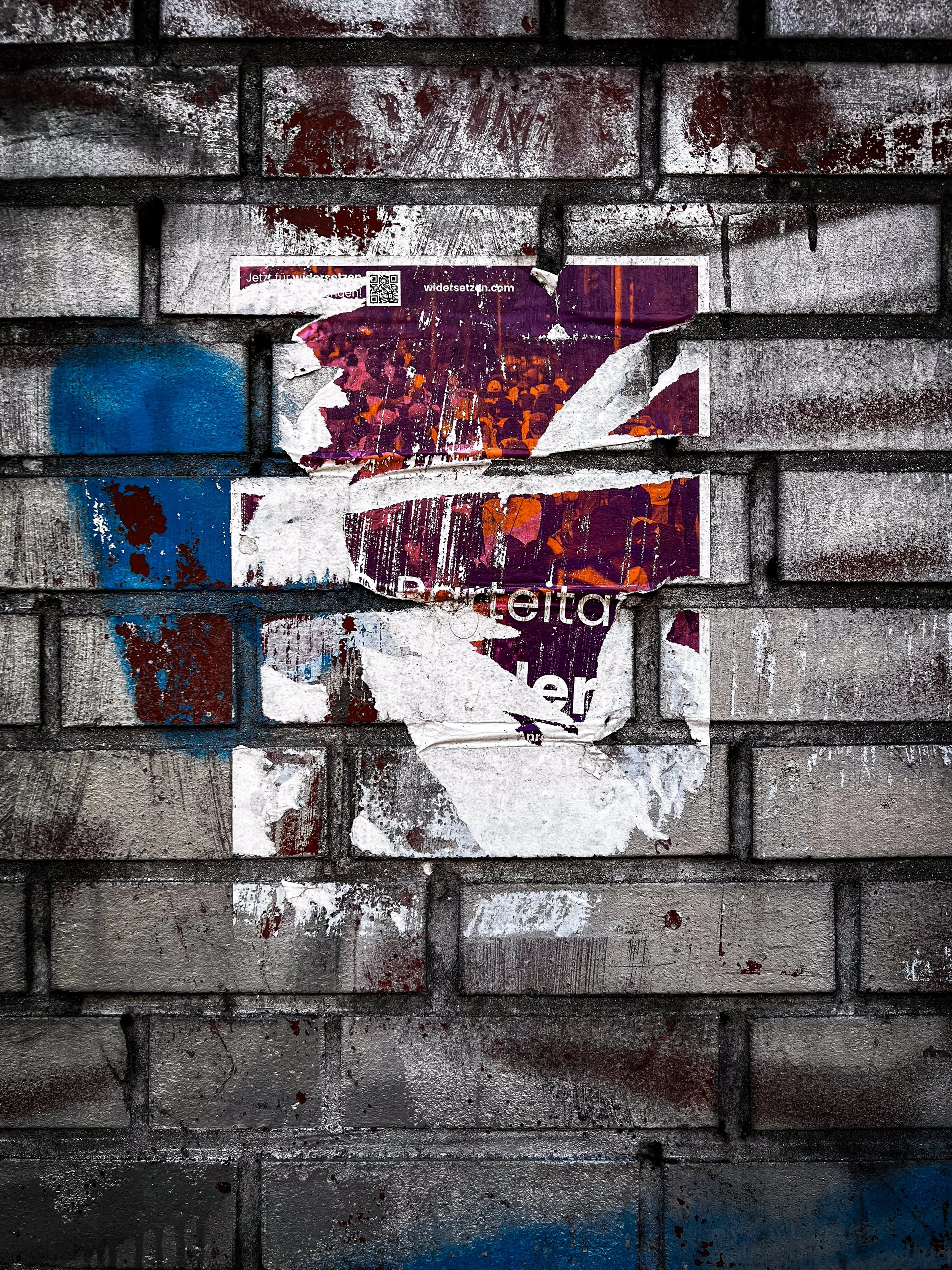
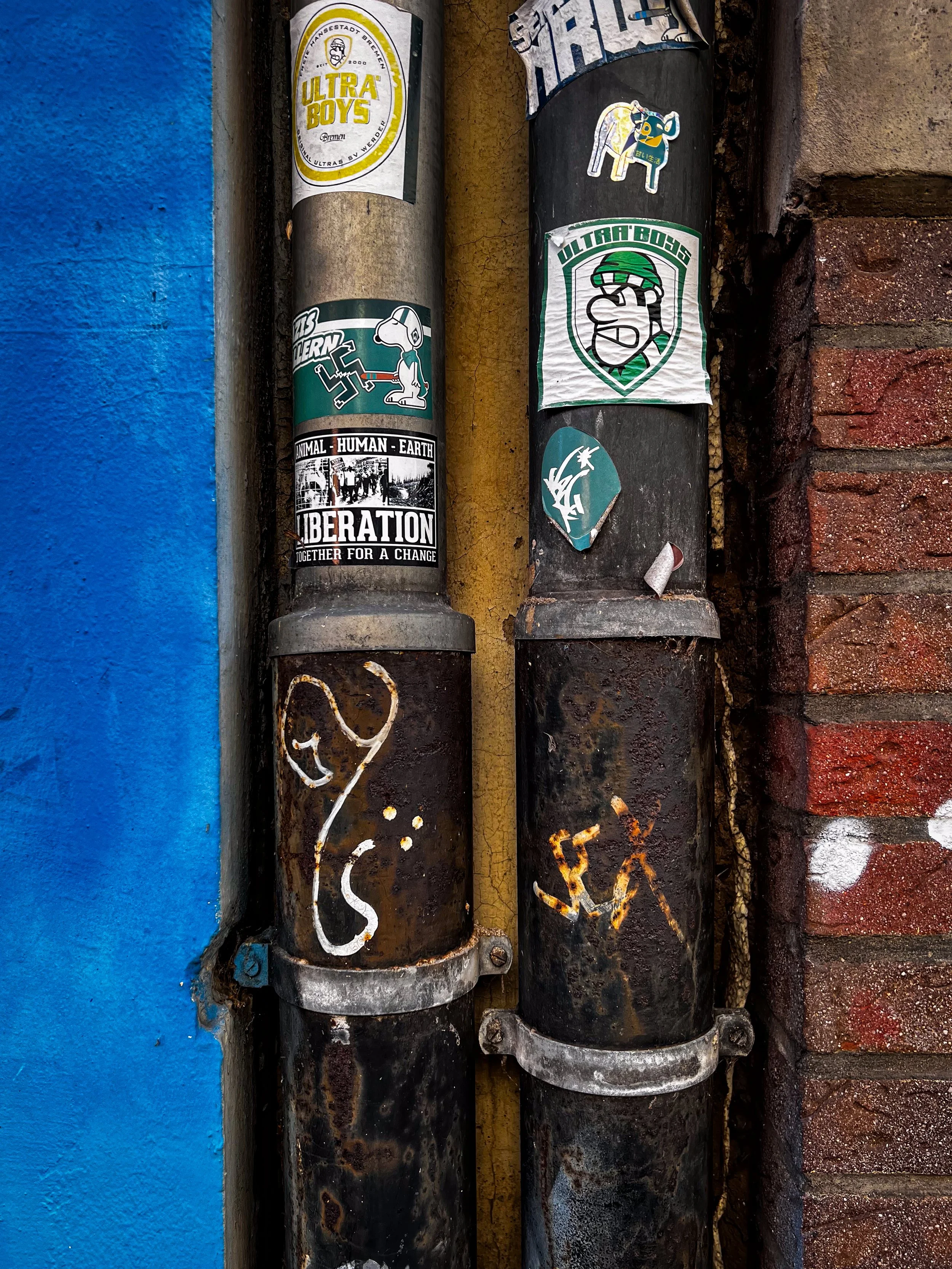
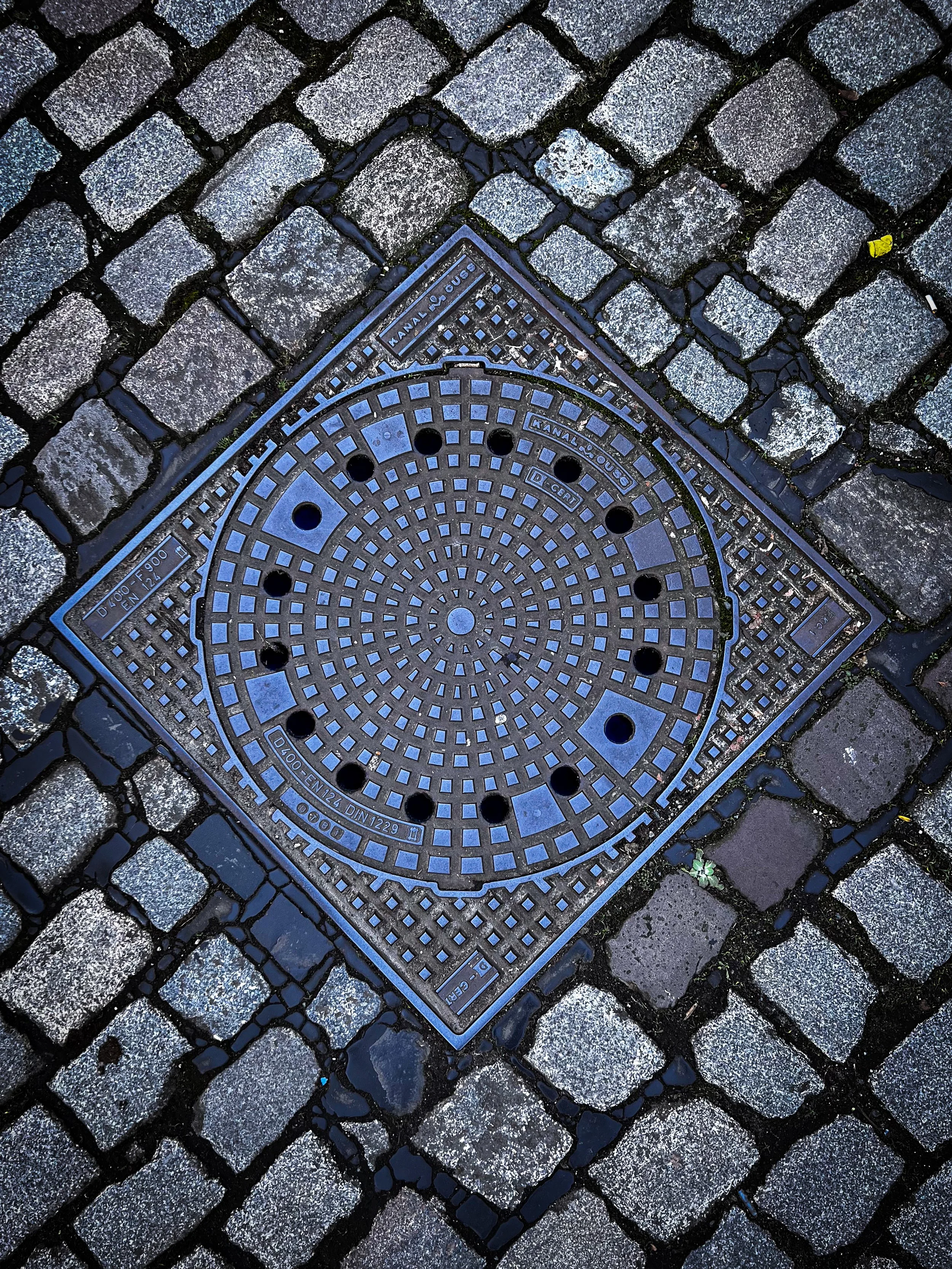
Faded paint, weathered brick, hand-laid stones, rusted metal, and layered posters create a visual language all their own. Every surface shows signs of use, repair, and exposure. These materials take in rain, long summer sunlight, and the daily wear of city life. In the city, nothing stays untouched for long, and that wear becomes part of the architecture.
These textures link buildings that might not seem connected at first. A century-old stucco wall has the same roughness as an alleyway corner. A worn drainpipe matches the look of a faded mural nearby. Together, they create a sense of continuity. Not because they are the same, but because they share the same history. The neighborhood is held together by many different surfaces. Each has faced the same weather, history, and flow of people.
Taking a closer look makes you slow down. Your focus moves from big stories to the real, physical details of a place. Neustadt is made of brick and mortar, like many cities. But it is also made of layers shaped by touch, weather, and repair. These textures are reminders. Cities are not fixed designs. They are living places, shaped little by little.
Which forgotten corner in your own city tells its story in texture? Could you navigate the history of that town by touch? By color? What are the textures of your home like?
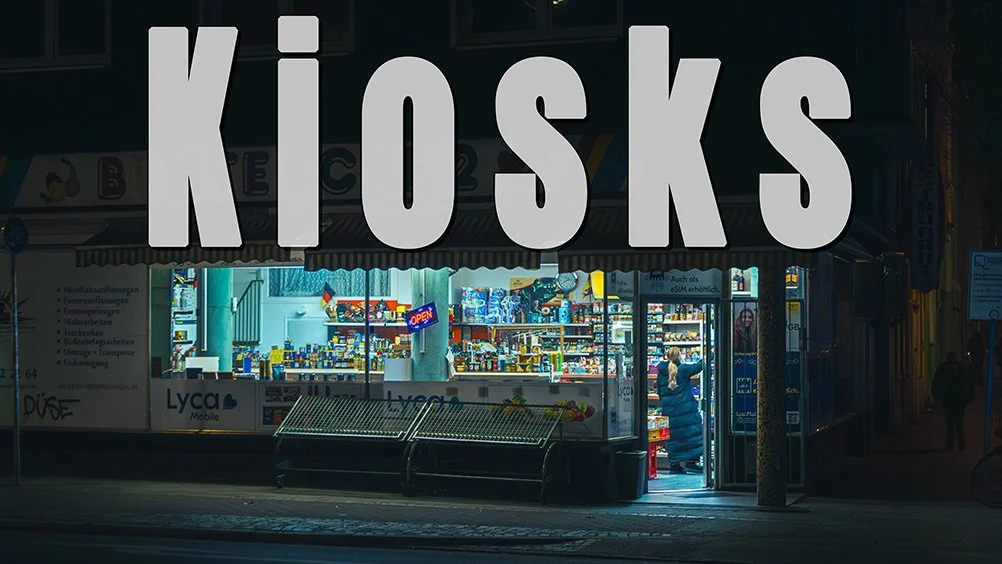
Kiosks of Neustadt
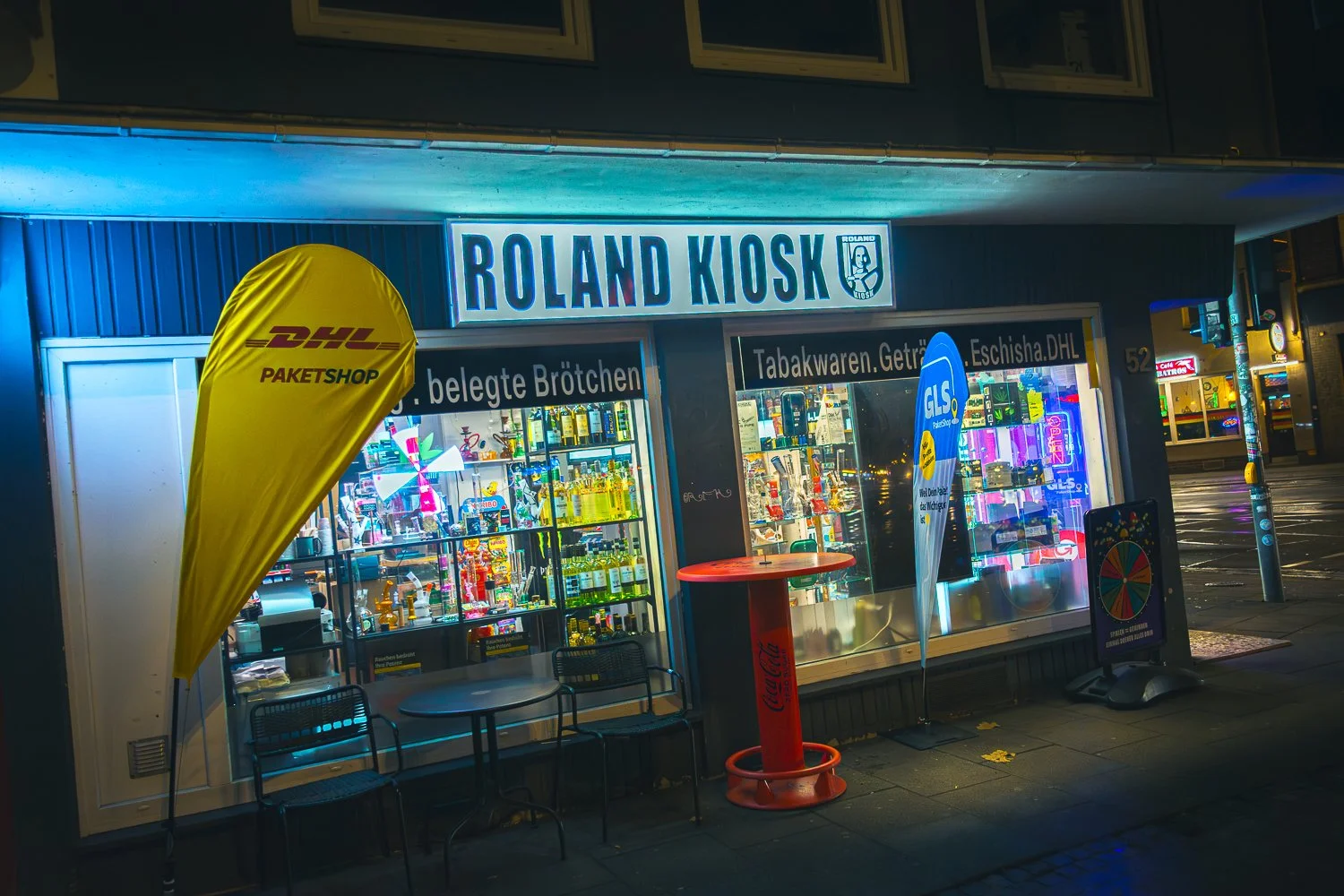
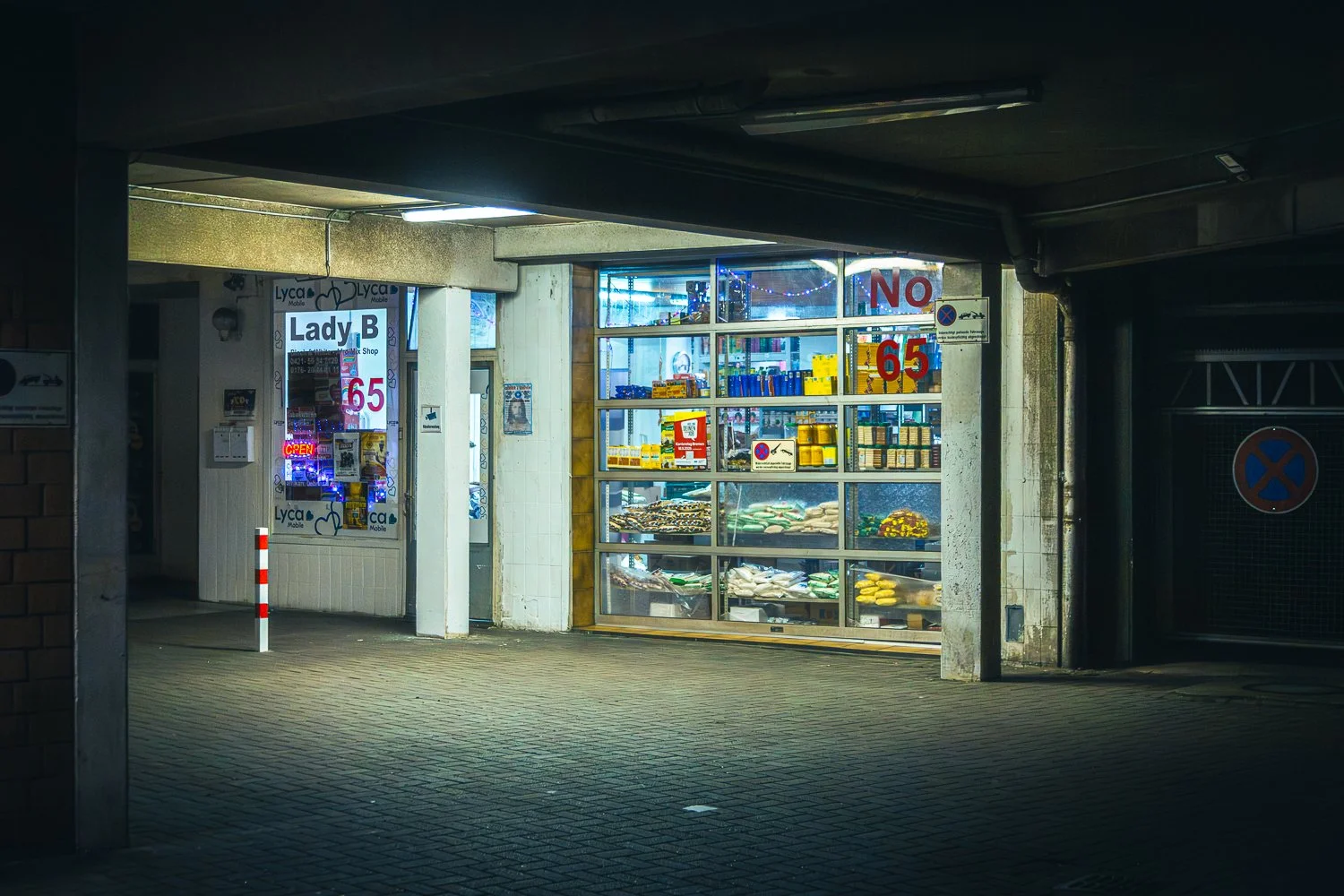
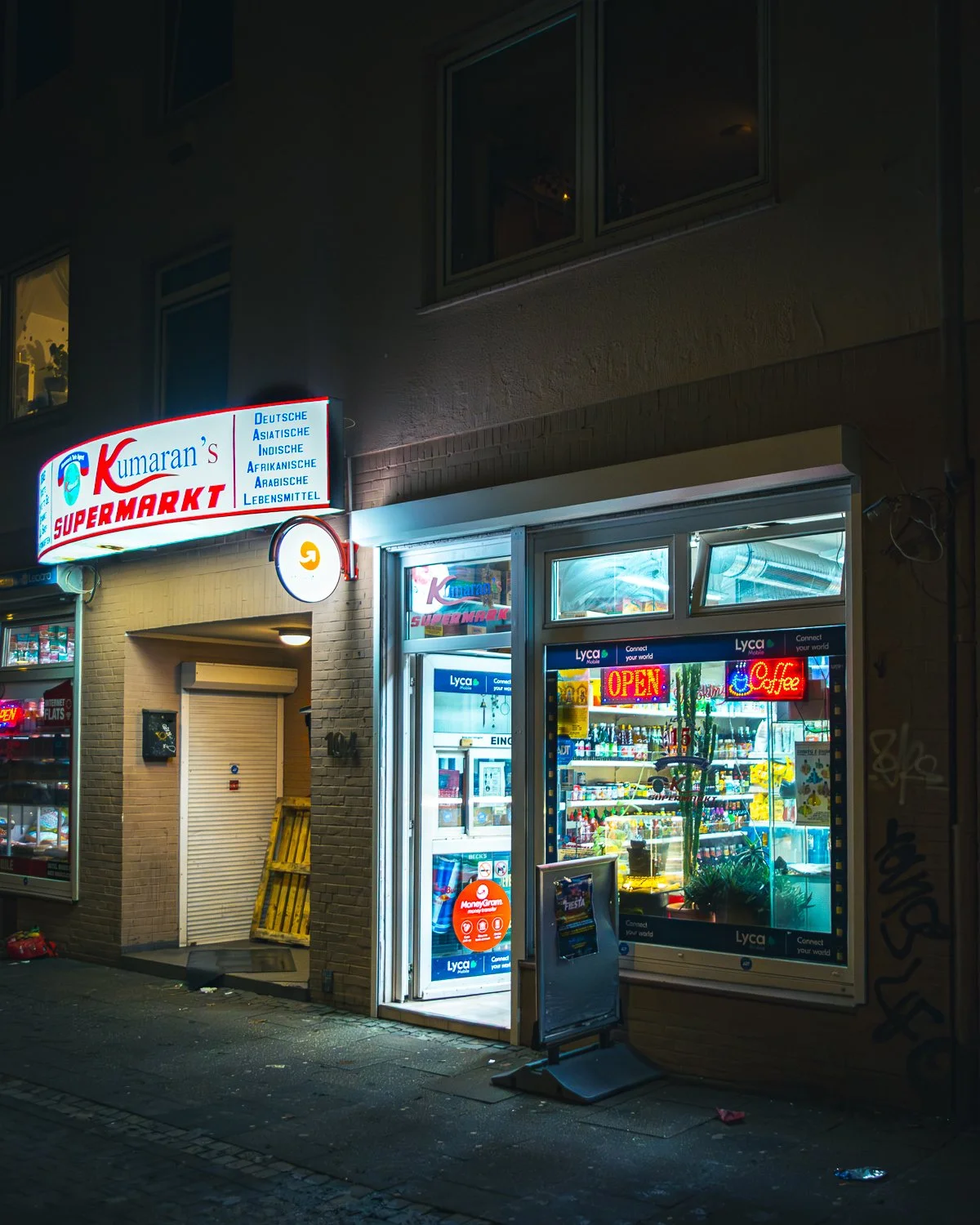
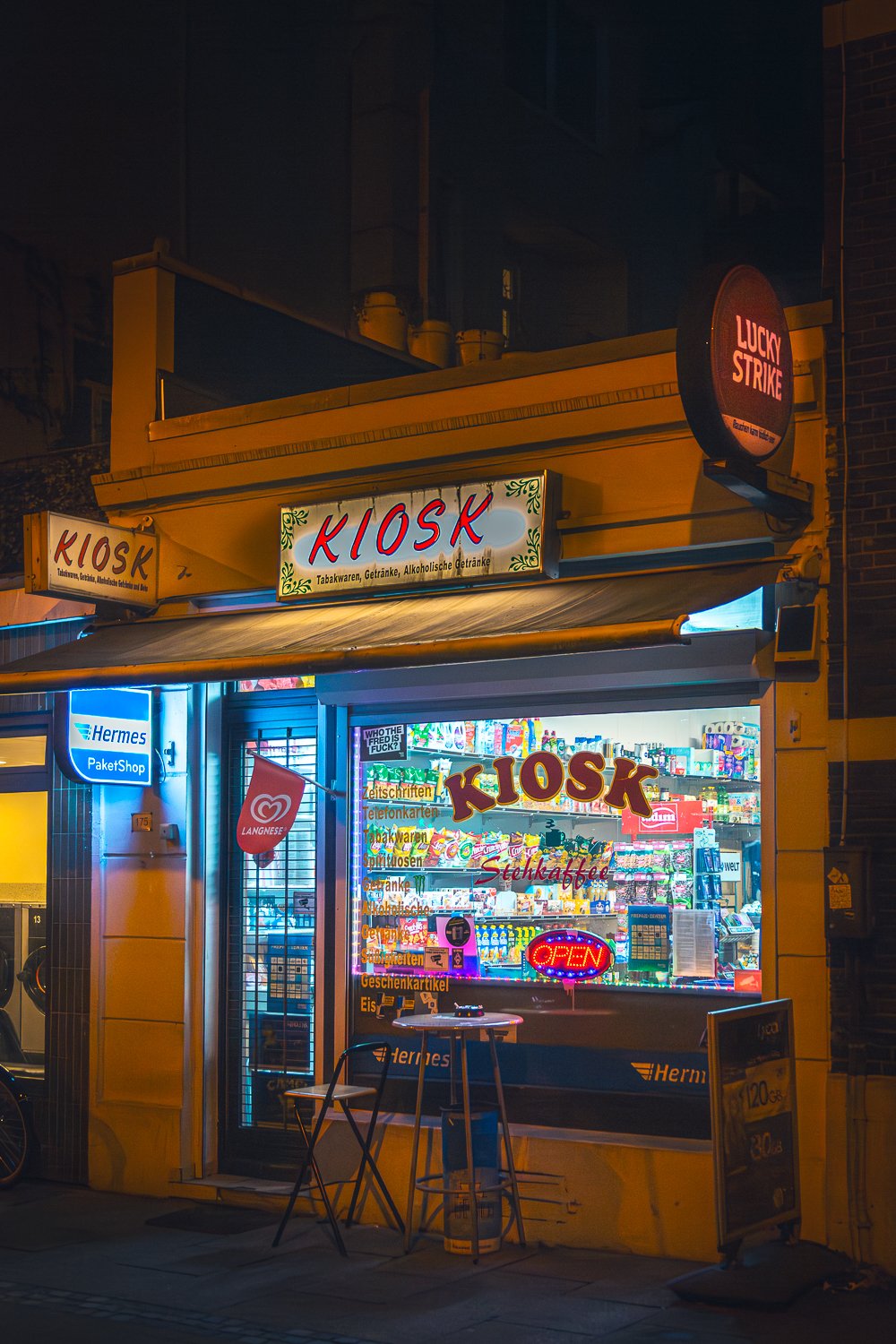
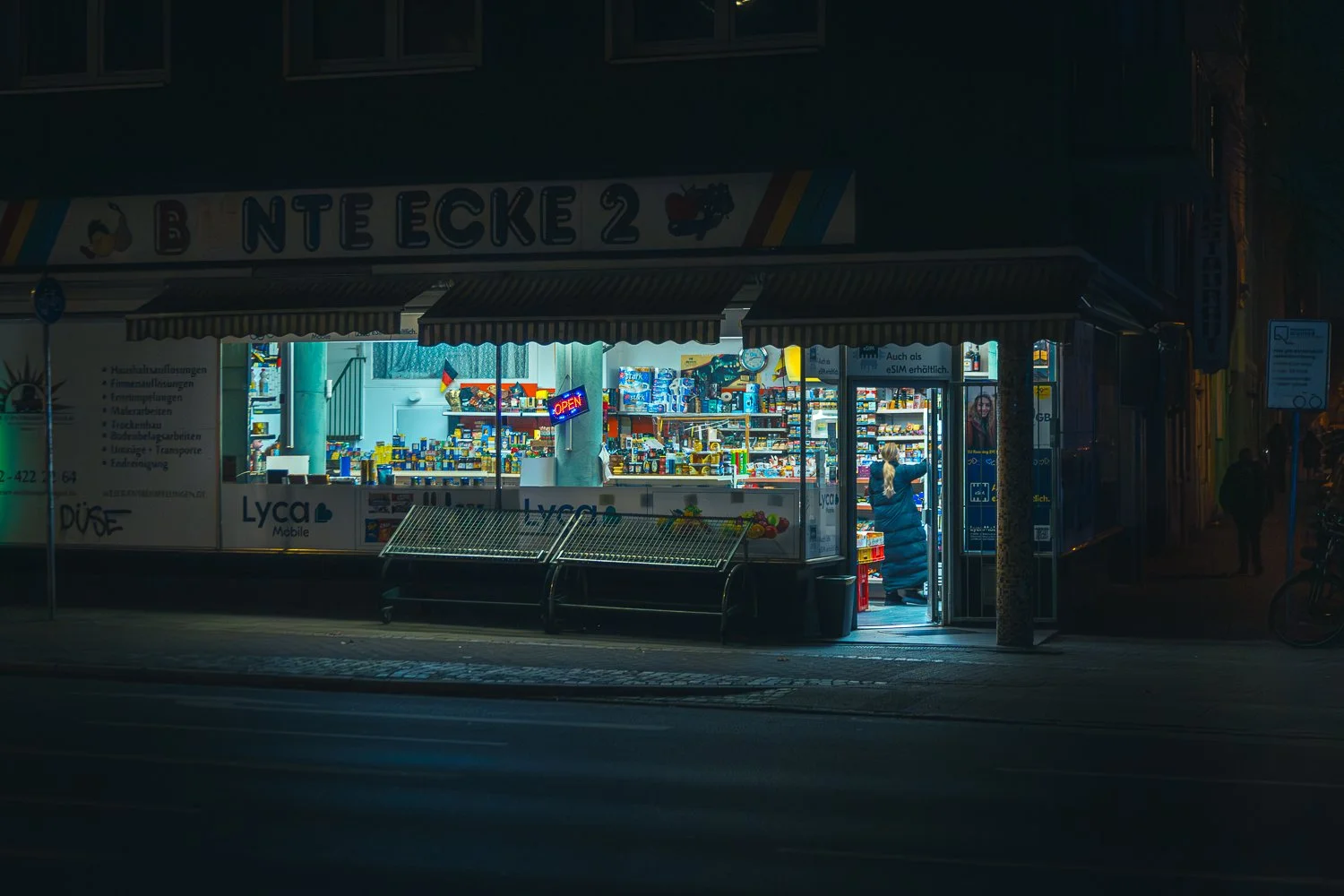
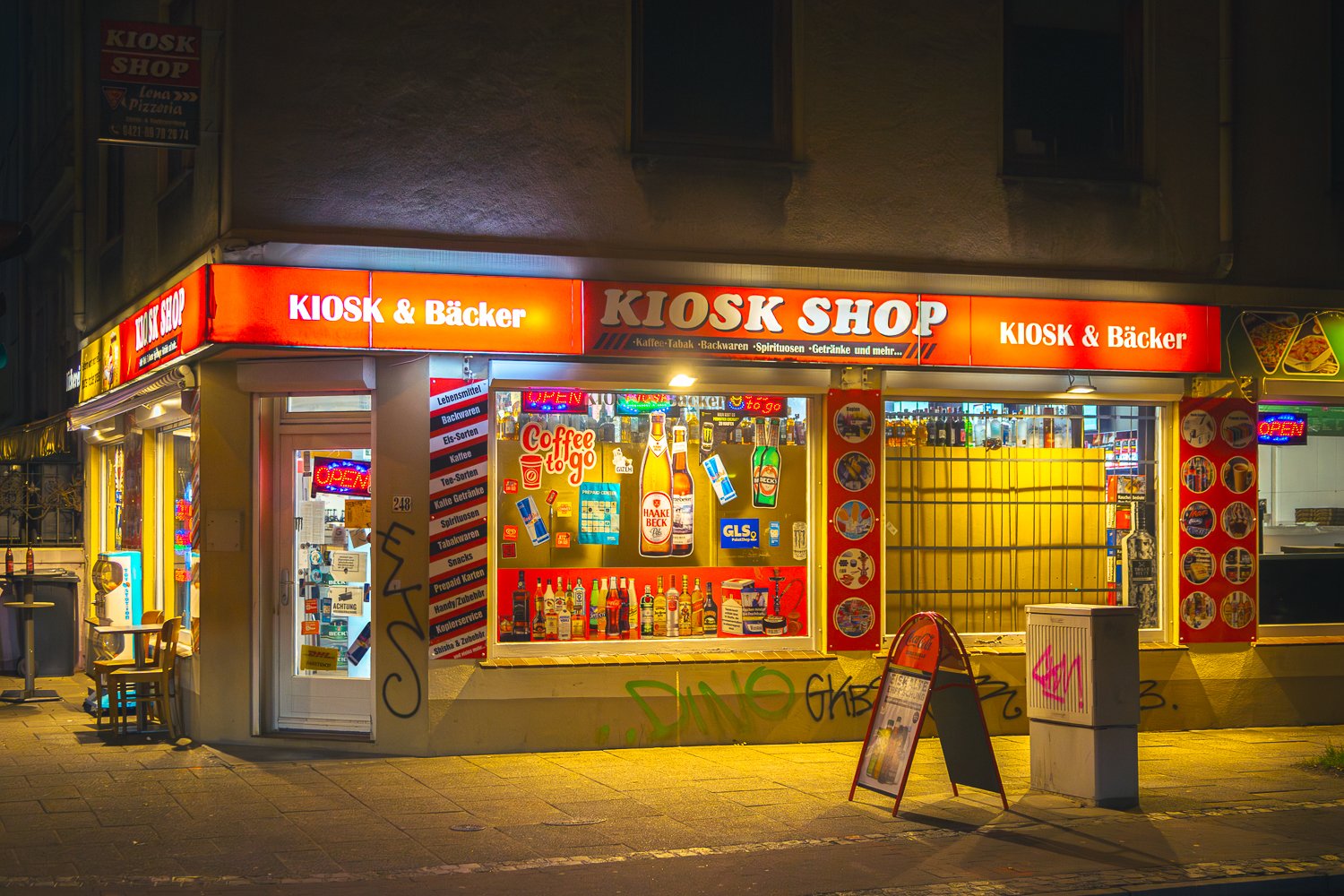
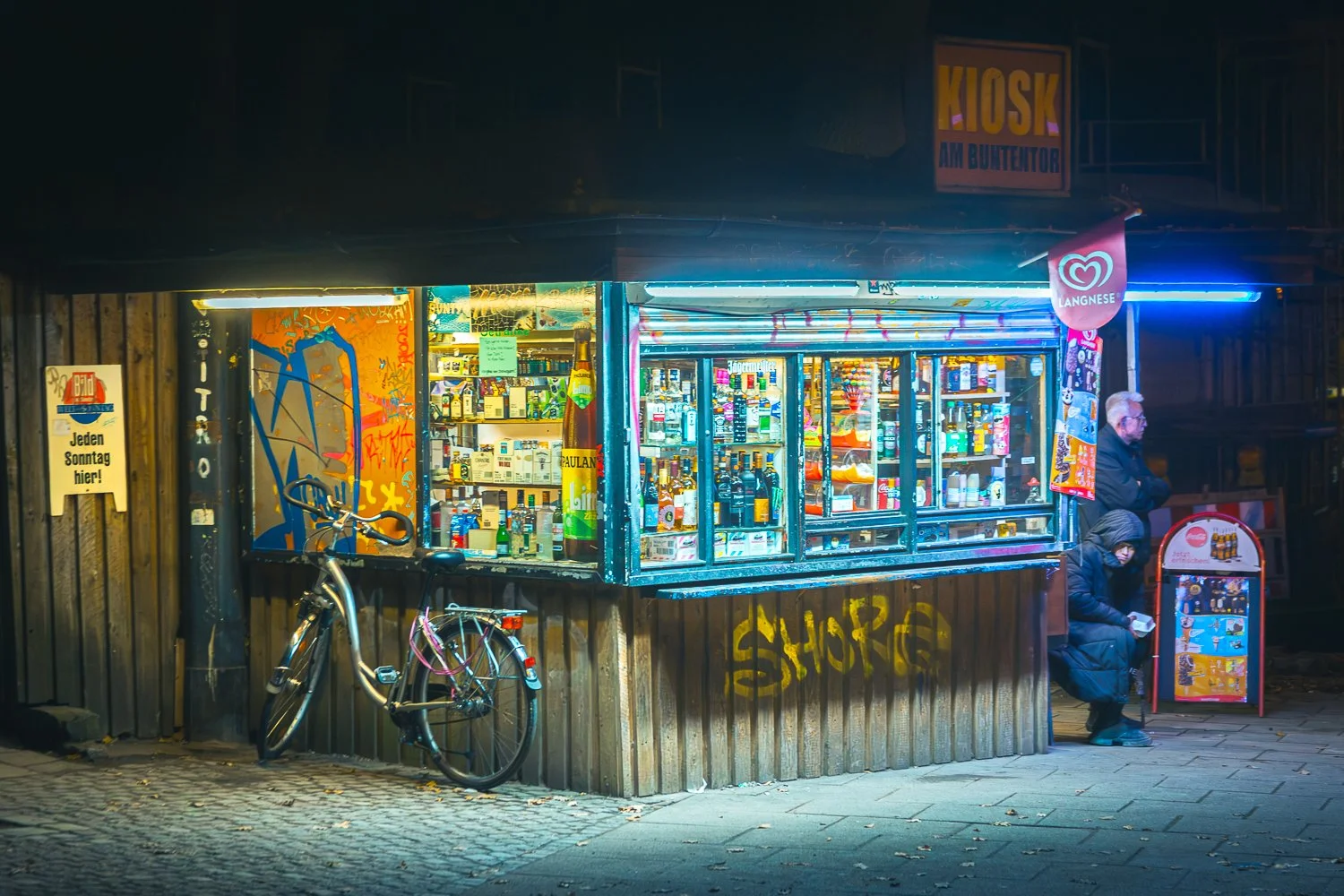
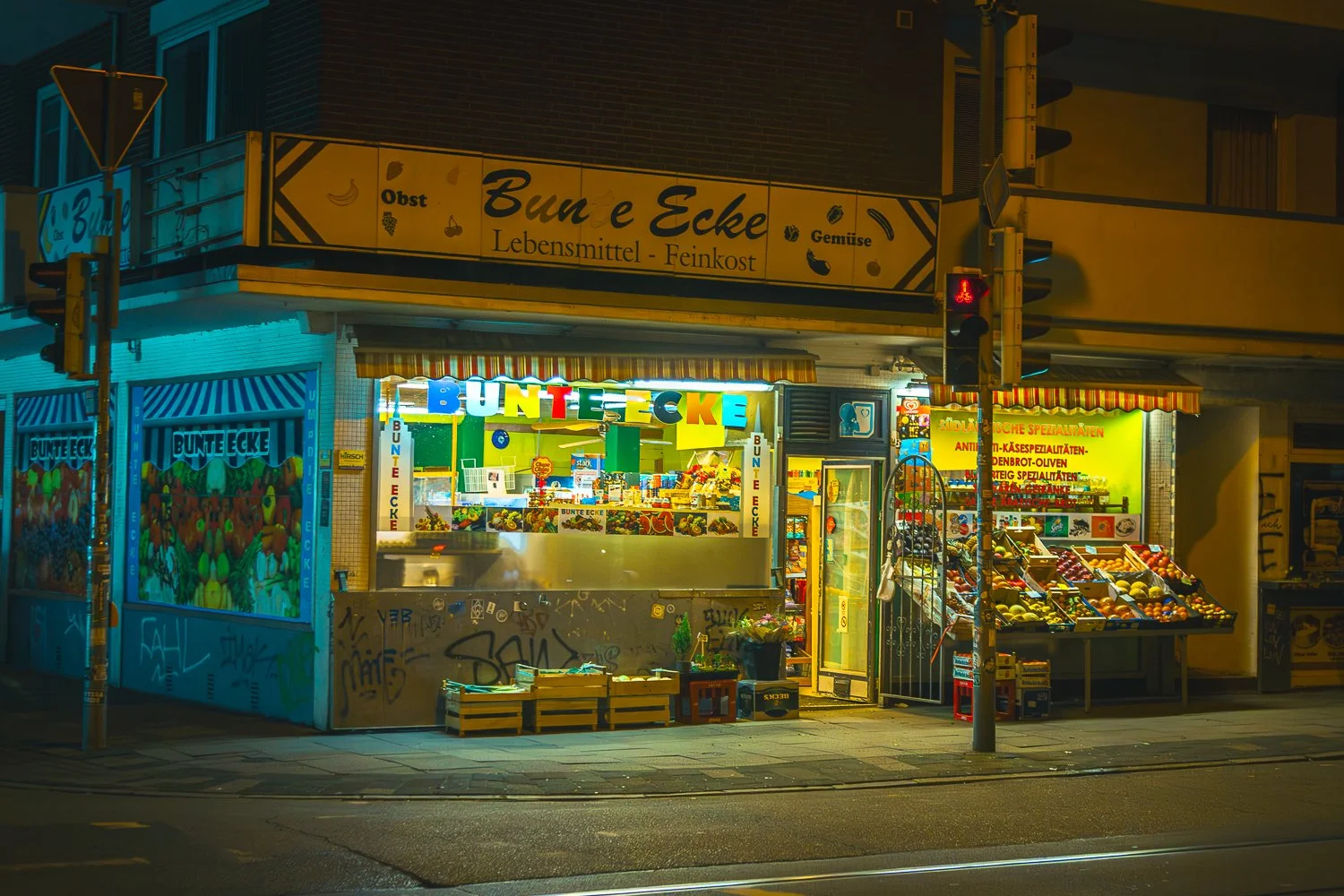
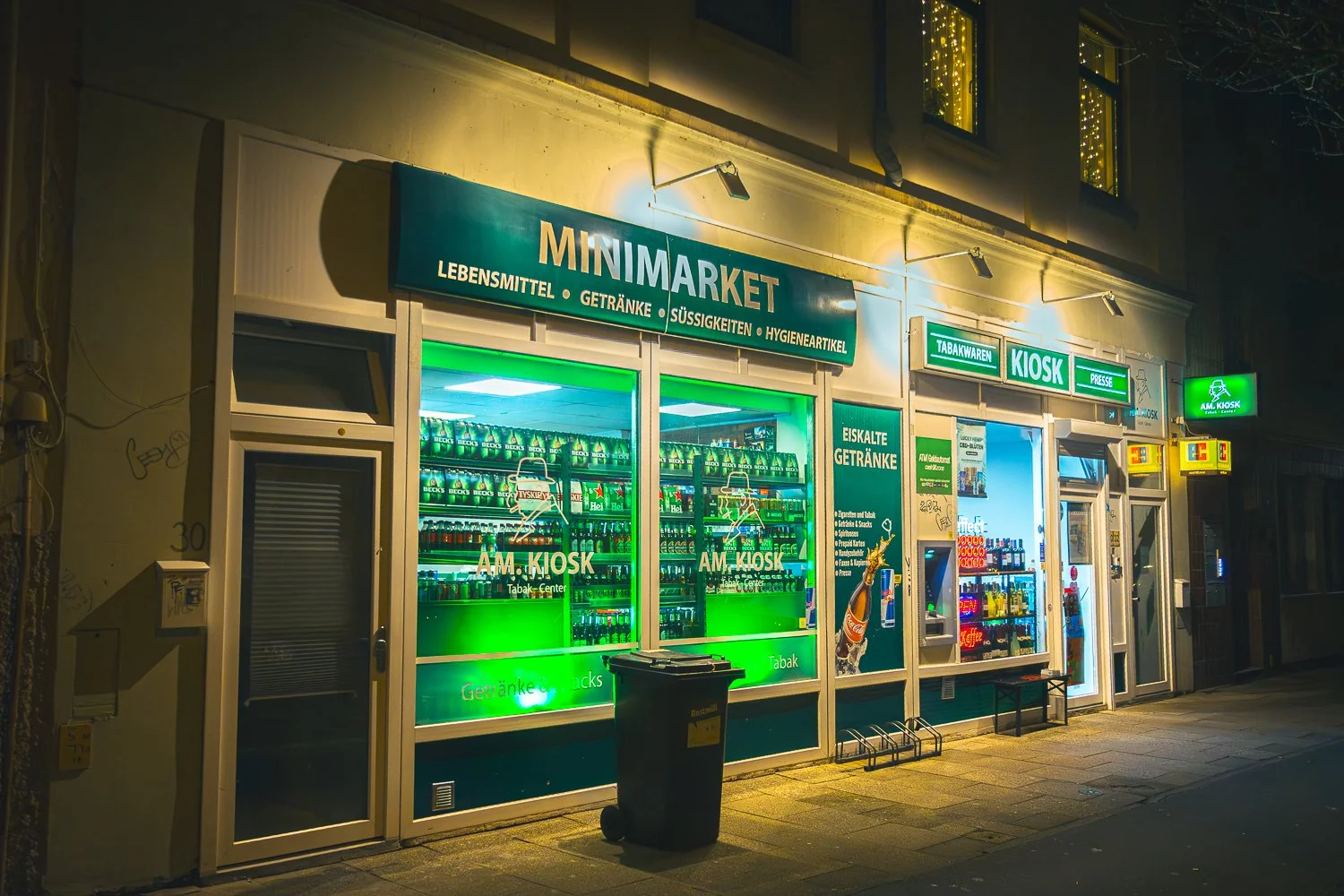
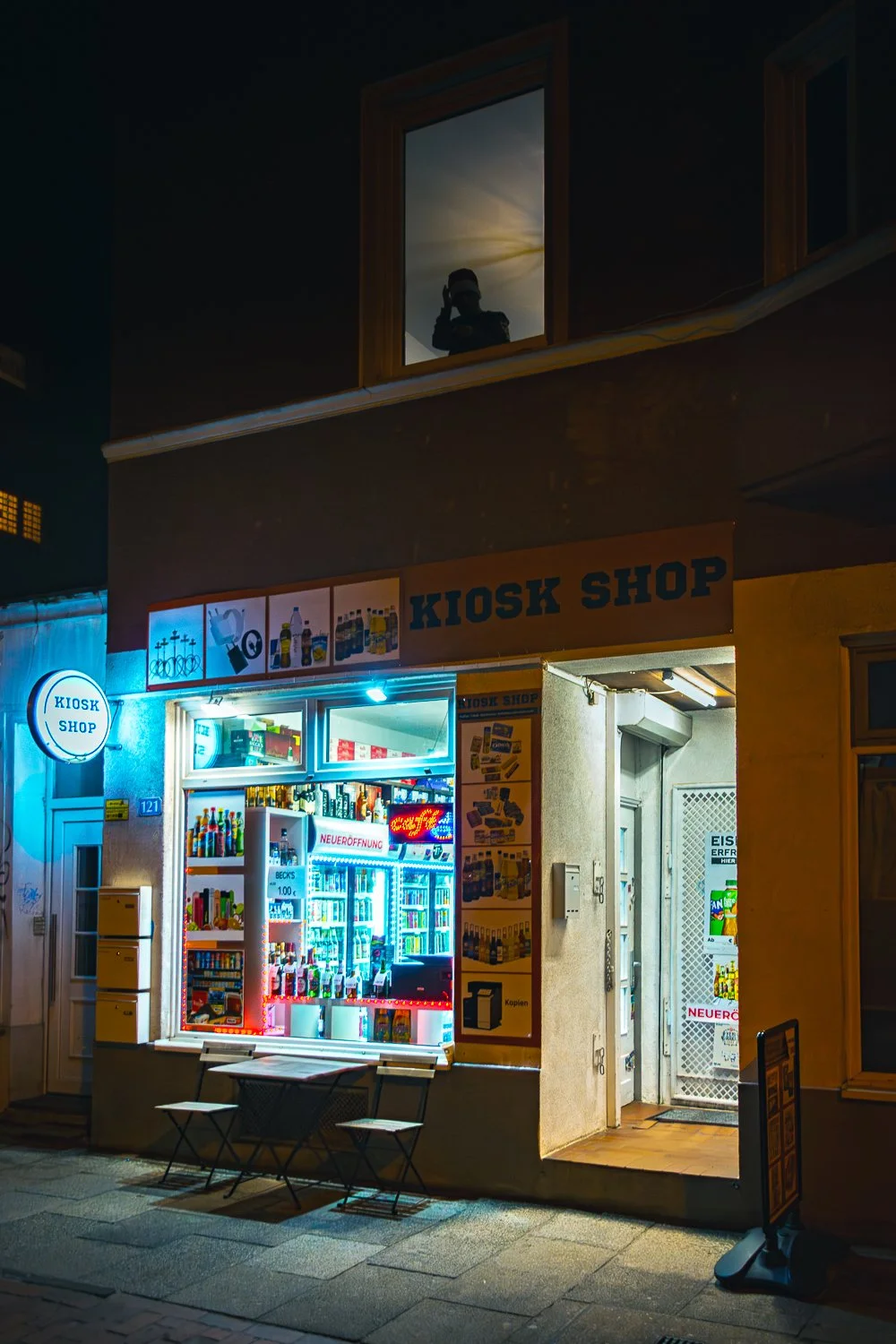
The photos here come from just a few blocks around my apartment in Neustadt. I walk these streets every day, often with no real plan, and the Kiosks, or Spätis, are the places that quietly show the color of the neighborhood. I notice them most in the evenings, when the shops are closed, and the neighborhood seems to relax.
In Neustadt, a Kiosk is more than just a shop. Students from nearby flats gather there, balancing beers on window ledges and the little tables that are often outside for just this purpose. Cyclists stop during their rides for a bottle of fizzy water or a pack of cigarettes. Conversations move easily between German, Turkish, Arabic, and English, sometimes all in one minute. Even if you don’t say much, like me, you can feel the rhythm.
Even in my short time in Bremen, it’s clear that the owners and clerks know their regulars. A polite “Moin” goes a long way when someone enters the shop. It takes the place of small talk you might find in similar shops in the States. That sense of familiarity matters, especially in a part of the city shaped by change: students coming and going, immigrants starting new lives, and long-time residents staying put. And, new guys like me.
Neustadt isn’t always polished, and the kiosks show that honesty. They stay open when the rest of the city is closed. They bring light, noise, and people to the streets when they might otherwise be empty.
I like taking photos of these places. In doing so, I’m capturing something about the neighborhood's social fabric: those everyday moments when people connect for a short time before moving on, taking a piece of Neustadt with them into the night.